
Palenque
MEXICO / CHIAPAS / MAYA
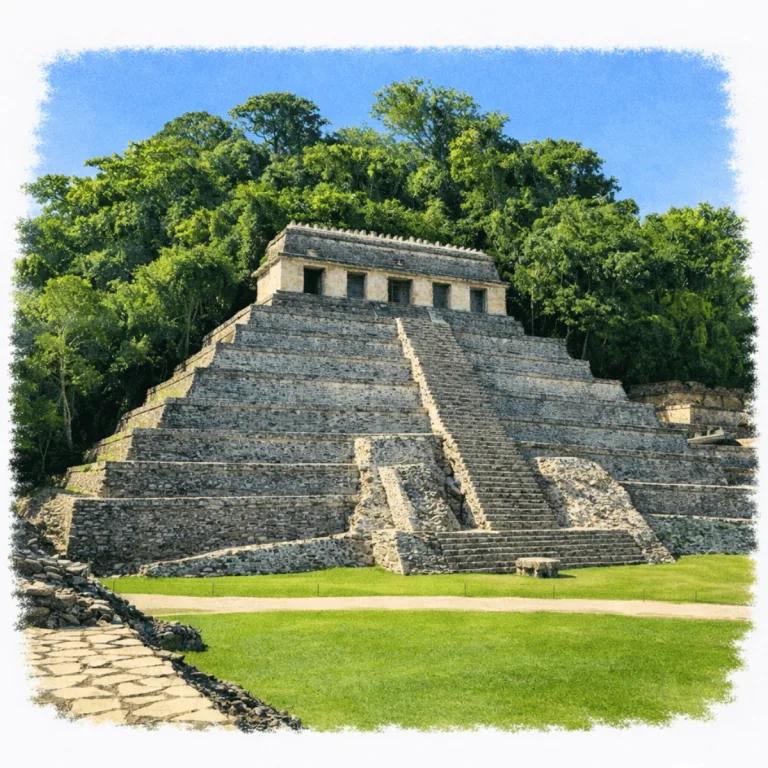
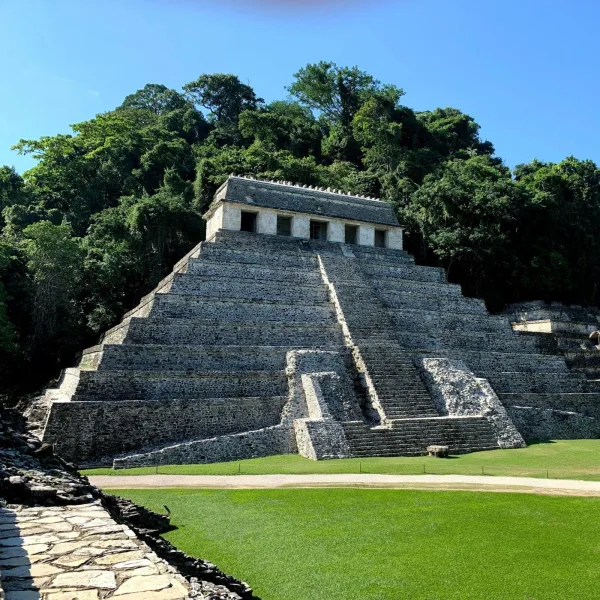
At the base of forested hills in Chiapas, Palenque rises in limestone temples with towering roof combs, where sculpted panels and inscriptions define one of the most refined artistic traditions in the Maya world.
| Name | Palenque |
| Civilization | Maya |
| Location | Northern Chiapas, Mexico |
| Elevation | 50–180 m (168–582 ft |
| Years Active | 100 BCE to 900 CE |
| Primary Resources | Limestone, stucco, spring water, forest and agricultural resources |
| Site Type | Ceremonial city and dynastic capital |
| Key Highlights | Temple of the Inscriptions, Palace complex, Temple of the Cross Group |
| INT Airport | Villahermosa International Airport (VSA) |
| UNESCO | National Park of Palenque |
| Entry Fee | 215 MXN national or resident; 425 MXN foreign visitor, including INAH and CONANP charges |
| Best Time to Visit | November to April, weekday at opening |
| Field Visit | Visited and documented by Lost Ruins of the Americas |
Unique Features of the Palenque Archaeological Site
- Temple of the Inscriptions: Monumental funerary pyramid of Pakal the Great, containing one of the most significant royal tombs in the Americas.
- The Palace: Multi-level structure with courtyards, passageways, and a four-story observation tower. Unique in Maya architecture.
- Temple of the Cross Group: Includes the Temples of the Cross, Foliated Cross, and Sun, each rich in iconography and cosmological themes
- Hieroglyphic Panels: Exceptional inscriptions that detail the city’s dynastic history and religious ceremonies.
Location & Access
- Nearest Town: Palenque, approximately 6 to 7 kilometers
- Directions: From central Palenque, follow Carretera Ramal Palenque-Zona Arqueológica to the Centro de Atención a Visitantes. Tickets are purchased at the CATVI, where onward transport connects with the archaeological entrance.
- Official Website: INAH Zona Arqueológica de Palenque
- Opening Hours: 8:00 AM to 5:00 PM, with last access at 4:00 PM.
- Entry Fees: I105 MXN for Mexican nationals and foreign residents or 210 MXN for foreign visitors. The required CONANP fee is an additional 110 MXN for nationals and residents or 215 MXN for foreign visitors.
- Facilities: CATVI ticketing and transport, parking, restrooms, cloakroom, shop, guided visits, and visitor information.
- Accessibility: Partial. Visitor facilities and portions of the main route are accessible, but uneven paving, slopes, stairways, and jungle paths limit movement elsewhere.
- Pro Tip: Stay in a hotel near the park gate to arrive early and experience the site before crowds and heat set in.

Highlights to Help Understand Your Visit
This section offers interpretive clues that help make sense of Palenque’s ruins as you walk the site.
- Temple as Tomb: Many major temples here were both ceremonial centers and elite burial sites. Look for the clues of dual purpose.
- Water and Power: Palenque’s location beside a spring was no accident. Aqueducts and drainage channels show elite control over nature.
- Roofcombs and Identity: The towering roofcombs were symbolic beacons. Each one speaks to dynastic pride and architectural drama.
- Inscriptions Everywhere: Glyphs line the temples, altars, and stelae. This city told its story in stone. It meant for it to last.
- Jungle Silence: Sound and space were used with intention. Listen for echoes and notice how pathways isolate certain plazas.
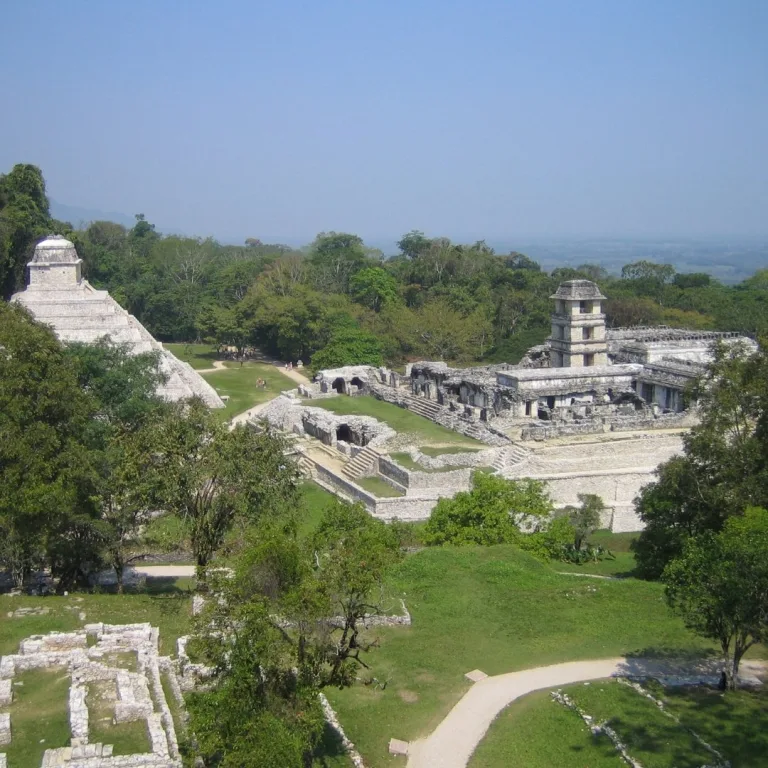
Key Structures of Palenque
- Temple of the Inscriptions: A towering funerary pyramid housing the tomb of Pakal the Great, with one of the most significant sarcophagi in the Americas.
- The Palace: A large elite residence complex featuring courtyards, galleries, and a unique four-story observation tower.
- Temple of the Cross: Part of the Cross Group; features iconography tied to creation myths and divine rulership.
- Temple of the Foliated Cross: Companion to the Cross temple, noted for its symbolic depictions of maize and plant life.
- Temple of the Sun: Known for its sun-related inscriptions and role in dynastic legitimacy.
- Temple XIII (Tomb of the Red Queen): A smaller funerary temple containing the burial of an elite woman, famed for its red-painted remains.
- Temple of the Skull: Named for a carved stucco skull inside; a unique ceremonial chapel within the Cross Group complex.
- Ballcourt: A ceremonial court southeast of the Palace, used for ritual games and political events.
- Queen’s Baths: Stone water basins and aqueduct-fed bathing area near the site entrance, likely reserved for the elite.
- On-site Museum: Houses sculptural fragments, figurines, and a replica of Pakal’s tomb chamber with interpretive displays.
- North Group: A cluster of smaller structures north of the Palace, including elite residences and ritual altars.
- Temple of the Count: An early-documented temple-residence hybrid visited by 19th-century explorers.
- Group IV & XVI Platforms: Residential and ceremonial platforms on the southern edge of the core site.
- Aqueducts & Water Channels: Engineered stone conduits beneath the Palace and around the site, showcasing advanced Maya hydraulic planning.
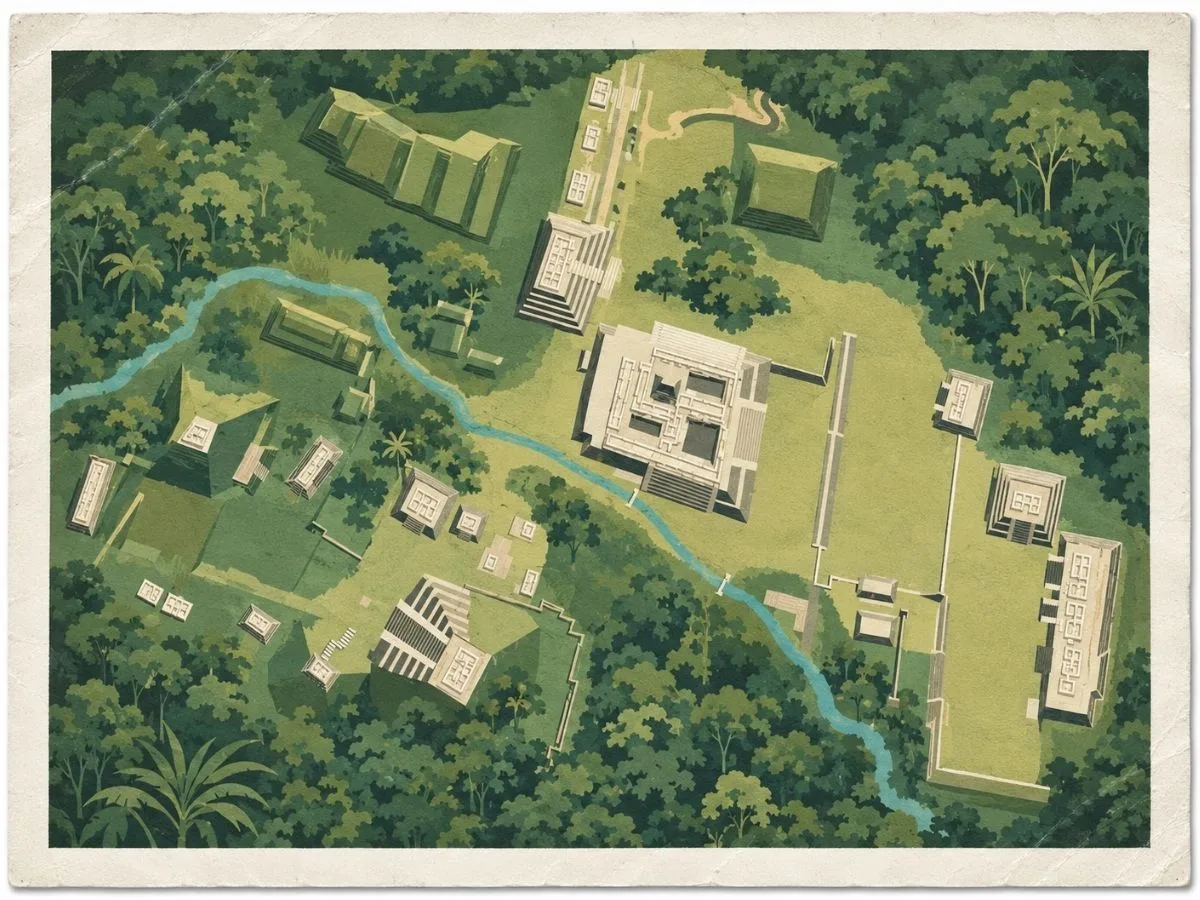


History and Legends
Palenque, known to its ancient inhabitants as Lakamha’ (“Big Water”), was one of the most sophisticated and artistically gifted cities of the Classic Maya world. Active between roughly 200 and 900 CE, the city flourished in the rainforest hills of Chiapas, where abundant springs fed into an intricate system of aqueducts, pools, and underground channels. Water, in both symbolic and practical forms, defined Palenque’s power and identity.
The city’s golden age came in the 7th century CE under the reign of K’inich Janaab’ Pakal, Pakal the Great. Crowned at just 12 years old, Pakal ruled for nearly 70 years and transformed Palenque into a dynastic capital that rivaled any in Mesoamerica. He commissioned the Temple of the Inscriptions, a towering funerary pyramid that concealed a hidden stairway leading to his tomb. When archaeologists uncovered the chamber in the 1950s, they found Pakal’s sarcophagus carved with one of the most iconic reliefs in the ancient Americas: a vision of the king suspended between the underworld and the heavens.
After Pakal’s death, his legacy was carried forward by his son, Kan B’alam II, who initiated construction of the Temple of the Cross Group: three temples that functioned not just as shrines, but as cosmological blueprints. Their inscriptions speak of divine origin myths, sacred trees, and dynastic legitimacy, cementing Palenque’s spiritual authority. These glyphs, carved with poetic precision, have been instrumental in deciphering Maya writing and chronology.
Palenque was not a military city like some of its neighbors. Instead, it projected its influence through ceremony, architecture, and inscription. Its unique art style, elegant, fluid, and full of human emotion, set it apart in the Maya world. Carved stucco portraits, delicate reliefs, and mythic panels adorned temples, corridors, and altars, telling stories that merged kingship with the gods.
Experiences Around Palenque
The ruins are only part of the story. Dense rainforest covers the foothills here, cut by rivers and waterfalls before the land flattens toward Tabasco.
–
Visit the Museo del Textil Lak Puj Kul to see Chiapas weaving, natural dyes, huipiles, and other traditional clothing from across the region.
–
At Misol-Há, follow the path behind the 35-meter waterfall, where the trail passes beneath the overhanging limestone cliff.
By the late 800s, the city’s political order began to unravel. No single cause is known, but a combination of internal strife, shifting trade routes, and the wider collapse of Maya lowland centers likely played a role. The jungle slowly reclaimed the site. By the time Spanish chroniclers wrote of a ruined city swallowed by trees, Palenque had already faded into myth.
Today, excavations continue to uncover new chambers, stelae, and clues to its layered past. Legends persist: of buried tunnels, lost codices, and tombs yet to be opened. But for most visitors, the magic lies not in what is hidden, but in what stands: a quiet, rain-drenched city that once saw gods descend from the sky, and rulers ascend toward them in stone.
How to Get There & Where to Go Next
How to Visit Palenque
– Step-by-step access to the site –
- Start in Cancún: Board the Tren Maya to Palenque — 9 to 10 hours.
- Arrive at Palenque Station: Officially called Pakal Ná — 5 km outside town.
- Taxi or combi: 10–15 min ride to the town center or ruins.
- Enter the archaeological zone: Entry gate is about 1 km from the main clusters.
Tip: Morning Tren Maya departures offer better scenery and arrival times. The site opens daily at 8 AM — ideal for beating tour bus crowds.
Nearby Ruins You Can Visit
These Maya cities share Palenque’s dynastic ambition, sacred architecture, and obsession with legacy. Each carved their own path through time.
Tikal – Towering pyramids and jungle causeways reflect a massive city once locked in power games with its neighbors.
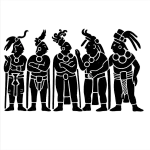
Bonampak – Famous for its vibrant murals, this remote site offers a visual window into Maya ceremony and warfare..

Yaxchilán – River-bound and remote, this city’s stelae and lintels showcase elite portraiture and cosmic warfare.


Traveler Tips
- Arrive right at opening time (8:00 AM) for the most atmospheric experience before crowds arrive.
- Stay as close to the site as your budget allows to maximize early access and quiet mornings.
- Wear light, breathable clothing and bring insect repellent, the climate is hot and humid year-round.
- Allow time for the on-site museum, which houses carved panels, figurines, and a replica of Pakal’s tomb chamber.
Elsewhere in the Americas…
While Palenque’s temples rose in the Maya lowlands, powerful civilizations in the Americas were reshaping the highlands and coast with new forms of empire, ritual, and architecture:



On Peru’s south coast, the Nazca Lines expressed ritual and symbolic meaning through vast geoglyphs across the desert.
Insider Explorer Advice
Palenque rewards those who rise early. Staying near the park gates allows visitors to reach the site just as it opens, when mist still clings to the canopy and the howler monkeys call from deep within the forest. Entering at this hour transforms the ruins into something ethereal: quiet, wild, and nearly untouched. The jungle trails near the Queen’s Baths and back entrances offer a peaceful approach rarely taken by groups. Begin with the Temple of the Cross Group and work inward. If you’re lucky, you’ll catch the ruins before they fully wake up.
Summary: Palenque is where deep history and jungle mystery collide. Arriving early to this Maya masterpiece isn’t just idea. It’s magical.