
Chincana Labyrinth
BOLIVIA / LAKE TITICACA / INCA
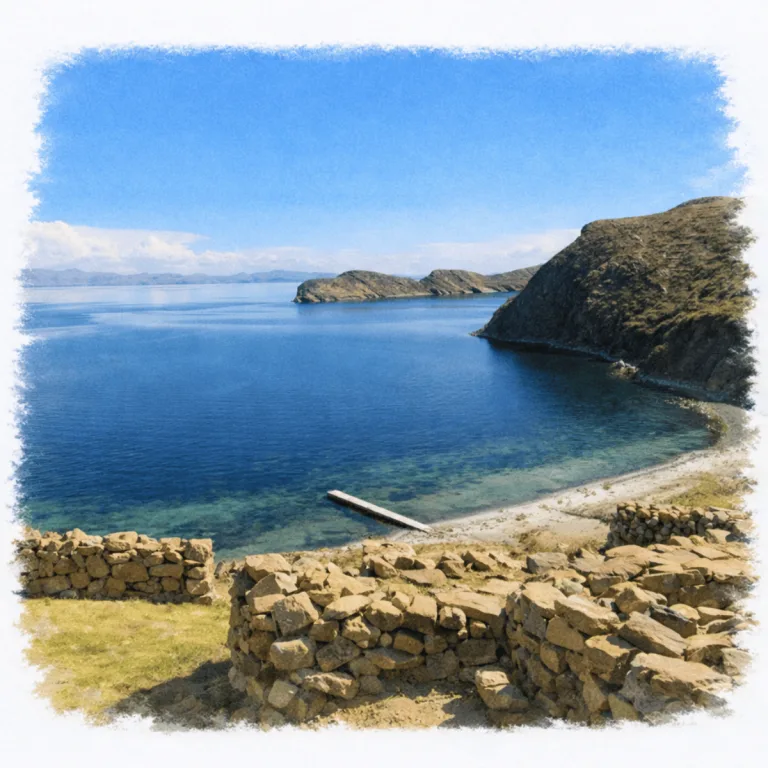
On the sacred Island of the Sun in Lake Titicaca, the Chincana Labyrinth weaves a network of stone corridors and chambers, where its maze-like layout is tied to Inca origin traditions and ritual use.
| Name | Chincana Labyrinth |
| Civilization | Inca |
| Location | Isla del Sol, Lake Titicaca, Bolivia |
| Elevation | 4,000 meters (13,123 feet) above sea level |
| Years Active | c. 1400s – early 1500s CE |
| Primary Resources | Stone masonry, springwater access, ceremonial niches |
| Site Type | Ritual complex and pilgrimage waypoint |
| Key Highlights | Stone labyrinth, sacred spring, ceremonial courtyard |
| Entry Fee | 10 BOB (~$1.50 USD) |
| Best Time to Visit | Morning, April–October |
| Field Visit | Visited & photographed by Lost Ruins of the Americas |
Unique Features of the Chincana Labyrinth Archaeological Site
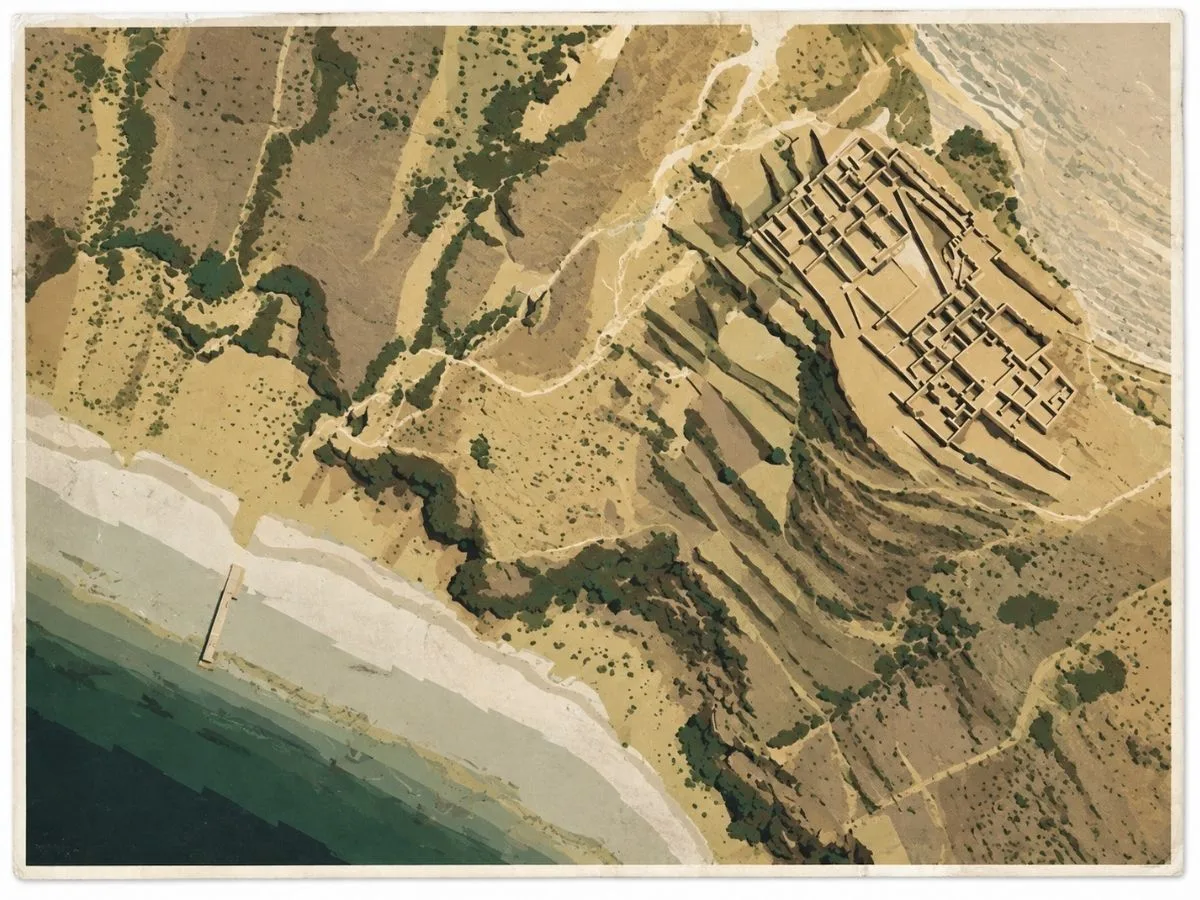
- Cliffside Position: The complex sits high on Isla del Sol’s northern slope, with sweeping views over Lake Titicaca and the Cordillera Real beyond.
- Rectangular Courtyard: A central open space framed by low stone walls, serving as the organizing core of the site.
- Enclosed Spring: Known as the Fuente del Inca, this natural water source is set within masonry, marking it as a focal element of the complex.
- Southwest Gateway: The main entry path leads through a partially collapsed fieldstone archway, emphasizing the formal threshold into the labyrinth.
- Shoreline Connection: Stone paths descend toward the lakeshore, linking the site directly with Lake Titicaca’s sacred waters.
Location & Access
- Nearest Town: Copacabana, Bolivia
- Directions: Ferry from Copacabana to Isla del Sol (north side), followed by a scenic uphill hike of ~45 minutes
- Opening Hours: Open daily, daylight hours
- Entry Fees: 10 BOB (~$1.50 USD)
- Facilities: No on-site amenities; nearest lodging in nearby island communities
- Accessibility: Moderate; trail involves steady incline and uneven stone paths
- Pro Tip: Bring water, snacks, and sun protection; there are no vendors at the ruin site itself
Highlights to Help Understand Your Visit
Visiting the Chincana Labyrinth is less about walking through intact walls and more about learning to read subtle patterns in the stonework and landscape.
- Maze with Meaning: The network of chambers and passages is not random. It was built to guide movement, creating a ritual journey rather than a defensive stronghold.
- Lake as Horizon: Nearly every line of sight draws you toward Lake Titicaca, reminding visitors that this sacred water was central to Inca cosmology.
- Rough Stone Craft: Unlike imperial sites built with finely cut blocks, Chincana’s rough masonry reflects a provincial ritual outpost, built for function and symbolism more than grandeur.
- Sacred Water Source: The enclosed spring within the complex is more than a utility. It is a living huaca, a reminder of the island’s status as a place of origin.
- Pilgrimage Landscape: The site connects to surrounding shrines and terraces, showing that the labyrinth was one part of a larger sacred circuit across Isla del Sol.
Key Structures of the Chincana Labyrinth Ruins
- Central Maze Chambers: A dense network of interconnected rooms and corridors built in rough fieldstone. These spaces are thought to have been used for ritual preparation, storage of ceremonial items, or as symbolic passageways for pilgrims retracing mythic journeys.
- Ceremonial Courtyard: A rectangular open-air plaza at the heart of the complex. Its orientation toward Lake Titicaca suggests it served as a gathering place for ritual observances linked to the sacred waters and horizon.
- Spring Shrine (Fuente del Inca): A natural freshwater spring enclosed by masonry walls. Local tradition holds it as a place of purification, where pilgrims would cleanse themselves before ascending to the sacred precincts.
- Southwest Entry Gate: The principal approach into the labyrinth, reached by a narrow path along the hillside. The remains of a partially collapsed arch mark the threshold into the complex, reinforcing its role as a liminal boundary.
- Terraced Hillside: Agricultural terraces line the slopes around the labyrinth, indicating food production to support pilgrims, seasonal caretakers, and ritual gatherings. Their construction reflects wider Inca strategies of adapting mountain terrain.
- Sacred Rock Alignments: Large carved boulders and natural outcrops near the labyrinth appear integrated into the ceremonial layout. These stones were likely revered as huacas, embodying the living landscape of Isla del Sol.
- Lakefront Descent: Stone pathways and steps connect the labyrinth down toward the shoreline. This physical link to Lake Titicaca emphasizes the water’s role as both a cosmological origin and a vital source for ritual life.
History and Legends
Located on the northern tip of Isla del Sol in Lake Titicaca, the Chincana Labyrinth holds a quiet but powerful place in Inca sacred geography. The site’s name, meaning “place where one gets lost” in Quechua, is no coincidence. It served not just as a rest point for travelers, but as a ritual space where architectural disorientation mirrored spiritual transformation.
The Inca incorporated Isla del Sol into their mythological foundation, believing it to be the birthplace of the sun god Inti and the first Inca rulers. As such, it became a pilgrimage destination for nobles, priests, and messengers. The Chincana complex likely functioned as a ceremonial waystation on this sacred path, linking the island’s other religious points such as the Sacred Rock and the Table of Offerings.
Unlike the refined imperial stonework seen in Machu Picchu or Ollantaytambo, Chincana’s construction is utilitarian and modest. The stones are unpolished, the chambers low and irregular. Yet their alignment, access points, and layout suggest deliberate spiritual design. Rooms may have been used for fasting, prayer, or ritual cleansing before entering more sanctified areas of the island.
Experiences Around Chincana Labyrinth
The ruins are only part of the story. Northern Isla del Sol is a high Andean landscape of terraced hills, rocky coves, and deep-blue Lake Titicaca.
Climb nearby Cerro Uma Qolla for broad lake views, then follow the walking trails toward Challapampa, where the route drops past small beaches and quiet shoreline.
Playa de la Sirena is worth stopping for a cold swim, followed by a simple meal of Lake Titicaca trout in Challapampa.
Spanish chronicles mention Isla del Sol as a site of Inca pilgrimage, with ritual personnel assigned to maintain shrines and prepare sacrificial offerings. Although Chincana itself is rarely named directly, its position, proximity to the Sacred Rock, and architectural design point to its importance within this network.
Local Aymara and Quechua traditions also speak of hidden tunnels and guardians tied to the labyrinth. While no such chambers have been found, oral history adds a mystical dimension to the stark stone layout. Today, Chincana remains unexcavated in many areas, and its full ritual function is still a subject of speculation. But its quiet presence on the lake’s edge continues to draw those who seek not just history, but atmosphere.
How to Get There & Where to Go Next
How to Visit the Chincana Labyrinth
Step-by-step access to the site
- Cusco to Copacabana – Bus via Puno, about 10 to 12 hours with border crossing into Bolivia.
- Copacabana to Isla del Sol – Boat transfer across Lake Titicaca, around 1.5 hours.
- Island Landing to Chincana – Hike from the northern docks, 45 minutes to 1 hour uphill along stone paths.
Tips: Carry water and snacks, as services on the north end of the island are limited.
Nearby Ruins You Can Visit
Isla del Sol was part of a wider Inca and pre-Inca sacred landscape. These other Andean sites share its mythic, ceremonial, and imperial connections.

Pisac – Hilltop terraces and ceremonial structures show Inca mastery of agriculture and ritual space in the Sacred Valley.

Machu Picchu – A mountain citadel blending stone terraces, temples, and cosmic alignments. An echo of sacred pilgrimage routes like Isla del Sol.

Tiwanaku – Monumental gateways and carved stone blocks reveal the highland culture that predated Inca power around Lake Titicaca.
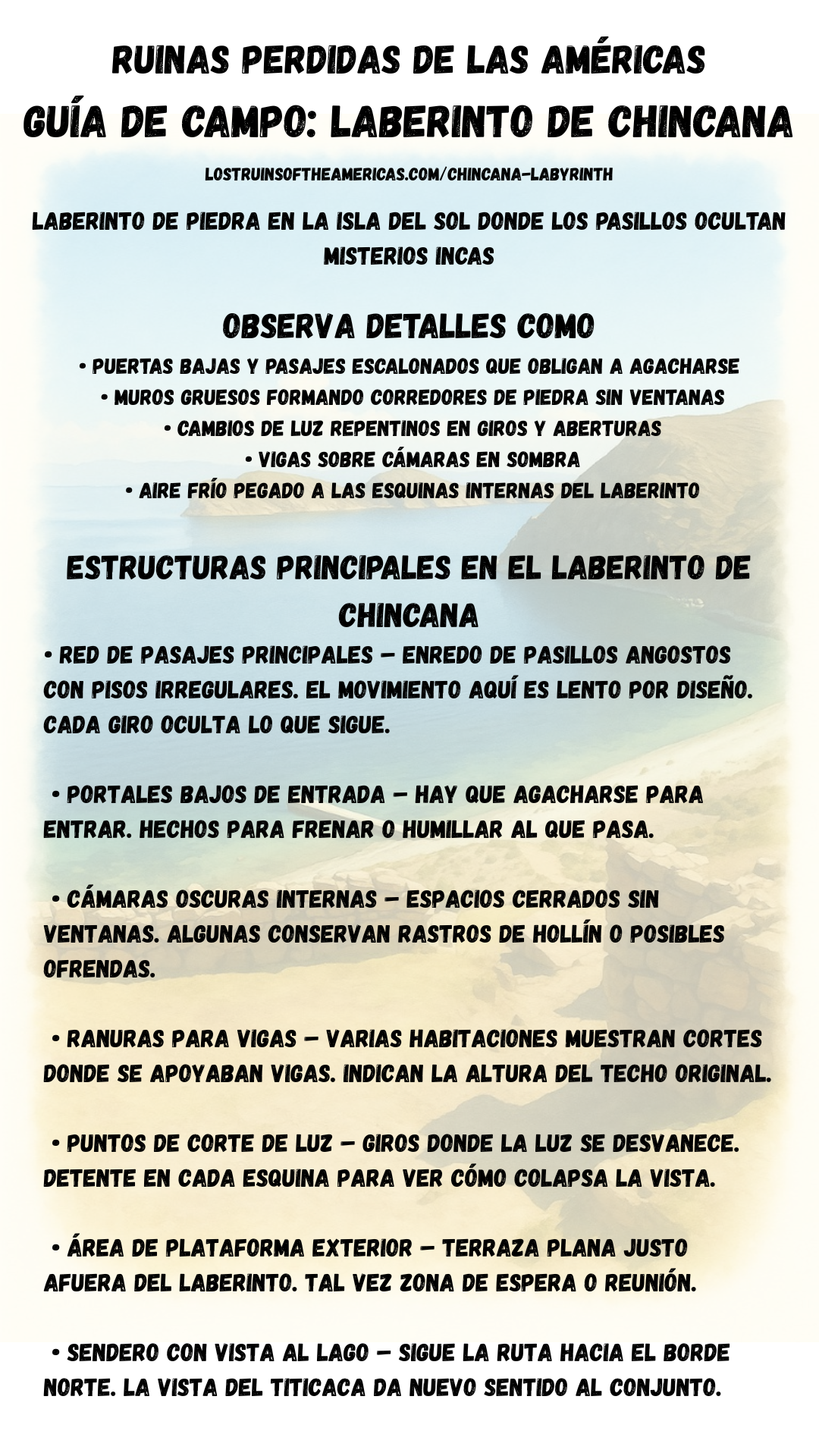
Download Quick Guide
Español
English
Traveler Tips
- Bring all necessary supplies with you. There are no shops or water sources near the ruins.
- Morning visits offer the best light and fewer people, especially if staying overnight on the island.
- Look for lesser-known ruins along the trail; several small structures dot the hillside on the way to Chincana.
- Expect no signage or interpretive material. Explore with caution and respect.
Elsewhere in the Americas…
While the Inca shaped pilgrimage landscapes on Isla del Sol, cultures further north were experiencing their own late transformations:

In central Mexico, the Aztec Empire was at its height, with Tenochtitlan thriving as a capital of markets, temples, and imperial power.

In the Mississippi Valley, Mississippian cultures built mound centers like Kincaid Mounds, shaping trade and ceremonial networks.
.
Insider Explorer Advice
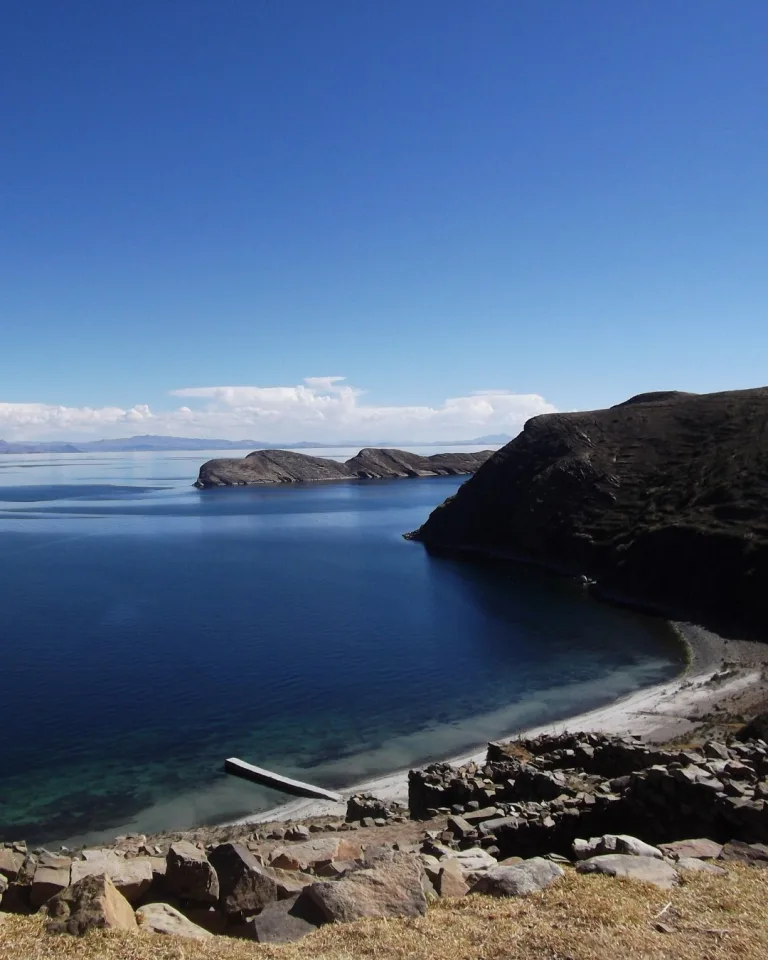
Chincana is larger and more atmospheric than most guidebooks suggest. Reaching it from the north ferry landing offers a steady approach, with scattered ruins and terraces along the trail. The lake spreads wide below the complex, and a small beach beneath the stone walls adds to the setting. Bring what you need for both the hike and an overnight stay on the island, since supplies are scarce on the north end.
Summary: Chincana is a sacred pause along the Inca pilgrimage route, understated and labyrinthine, forever tied to the sacred waters of Titicaca.