
The Aztec Civilization:
Empire of Sun, Sacrifice, and Stone
In the heart of the Valley of Mexico, where lakewaters shimmered beneath volcanic peaks, a city once rose from the reeds, connected to land only by causeways and ambition. Stone temples mirrored the sky. Canals fed floating gardens. And at the center of it all pulsed a force unlike any in the precontact world: Tenochtitlán the sacred city of the Mexica, whom history came to call the Aztecs.
They built an empire not through accident, but by prophecy. They ruled not just with armies, but with symbols, codices, and stars. Their world, both brutal and poetic, remains one of the most complex and contested legacies in the Americas.
Civilization Snapshot
| Category | Info |
|---|---|
| Region | Central Mexico, Valley of Mexico |
| Timeframe | ~1300 CE – 1521 CE (peaked ~1450–1520 CE) |
| Capital / Major Cities | Tenochtitlán, Texcoco, Tlacopan |
| Peak Population | Est. 5–6 million across the empire (~1500 CE); Tenochtitlán ~200,000 |
| Language(s) | Nahuatl |
| Known For | Templo Mayor, human sacrifice, chinampas (floating farms), codices, triple alliance |
| Cultural Relatives | Toltec, Mixtec, Maya, Huastec |
| UNESCO Sites | Historic Center of Mexico City and Xochimilco (1987, built atop Tenochtitlán) |
The Aztec Civilization: From Wanderers to Rulers
The Mexica, the people we now call Aztecs, did not inherit an empire. They built one from exile. According to their legends, they left a northern homeland called Aztlán, following signs from the gods through deserts and valleys until they reached the Basin of Mexico. For many years they lived as outsiders, working as mercenaries and farmers among stronger neighbors. Around them stood the echoes of older worlds. The pyramids of Teotihuacan still dominated the horizon. The memory of the Toltecs shaped their ideas of kingship and sacred order. Even distant Maya networks carried stories, goods, and symbols that reached the central highlands.
The Mexica learned from all of it. They adopted what endured, blended it with their own vision, and forged a new faith centered on struggle, sacrifice, and the renewal of the sun. Their destiny turned on a prophecy. They were told to settle where they saw an eagle perched on a cactus devouring a serpent, a sign from Huitzilopochtli, god of war and sun. That omen appeared on a small island in the middle of Lake Texcoco.
From that place of reeds and water, they began to build. The settlement became Tenochtitlán, a city of canals, markets, and stone temples that rose from the marshes to dominate all of Mesoamerica..

Tenochtitlán: City of Canals and Temples
Founded in 1325 CE, Tenochtitlán was a marvel of urban design. Built on an island in Lake Texcoco and connected to the mainland by three great causeways, it grew into a metropolis of more than 200,000 people. At its heart stood the Templo Mayor, a double pyramid dedicated to Huitzilopochtli and Tlaloc, gods of war and rain. Around it stretched the ceremonial precinct, the royal palace, schools, markets, and ball courts, all woven together by a vast network of canals.
Several innovations made this expansion possible:
- Chinampas: Artificial islands that created fertile farmland and produced crops year-round
- Aqueducts: Stone channels that carried fresh water from the springs of Chapultepec
- Causeways and Canals: A connected system that moved traders, soldiers, and goods efficiently across the lake
- Zócalo and Marketplaces: Vast civic centers that sustained one of the largest urban economies in the pre-Columbian world
- Urban Planning: A grid-based layout that reflected both cosmic order and practical governance
Even the Spaniards, intent on conquest, were astonished by what they found. One soldier wrote that no European city could match Tenochtitlán for order or size. The city stood as a reflection of Aztec belief, where every structure served both purpose and prophecy.
Beliefs and Sacred Order
At the heart of Aztec civilization was a worldview built on cycles, sacrifice, and cosmic balance. The Mexica believed they lived in the Fifth Sun, the latest in a series of worlds that had each ended in destruction. To keep this sun alive, they believed, the gods required nourishment. Every ritual, offering, and festival was part of a sacred exchange meant to sustain the universe itself.
The Ritual Calendar
- Tonalpohualli: A 260-day sacred calendar used for divination, ritual timing, and naming days under the influence of specific gods.
- Xiuhpohualli: A 365-day solar calendar that aligned major festivals, agricultural cycles, and state ceremonies.
Together, these calendars synchronized the rhythm of earth and sky. Thousands of priests managed the temples of Tenochtitlán, interpreting omens, performing offerings, and maintaining the harmony that linked human life with divine order. This belief system shaped every level of society, from the farmer planting maize to the emperor commanding armies. It defined how the Aztecs understood both life and sacrifice.
Central Deities
- Huitzilopochtli: God of the sun and war, and patron of Tenochtitlán. His strength kept the sun moving across the sky.
- Tlaloc: God of rain, fertility, and storms, whose favor brought harvests and whose anger brought drought.
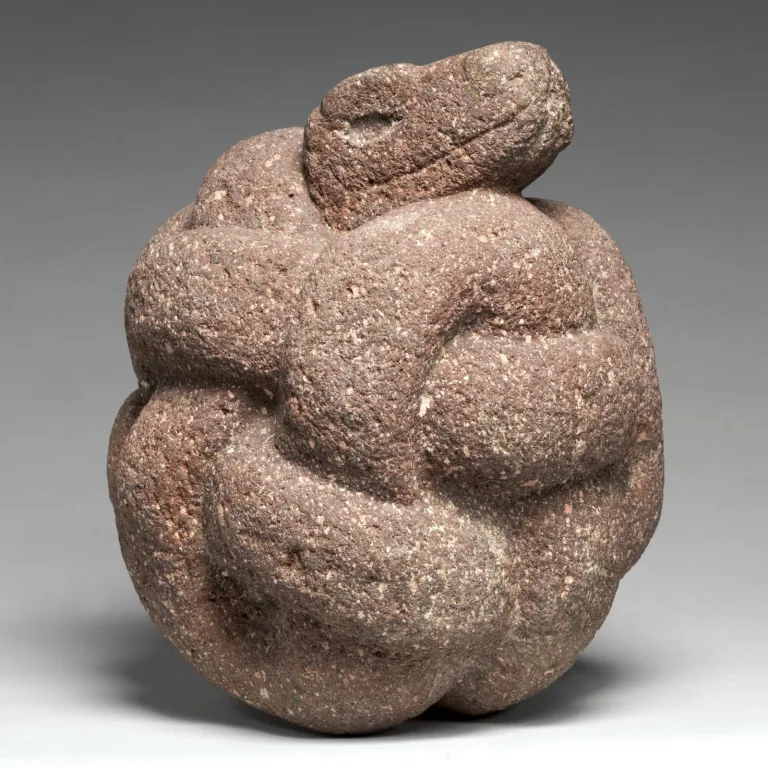
- Quetzalcoatl: The feathered serpent, a creator god of wind, learning, and renewal, linked to wisdom and the morning star.
- Tezcatlipoca: The “Smoking Mirror,” god of fate, conflict, and night, often seen as Huitzilopochtli’s rival and balance.
- Xipe Totec: The “Flayed Lord,” god of agriculture and rebirth, whose rituals symbolized the renewal of life and crops.

Society, Class, and Empire
Aztec society was highly structured, blending social mobility with ritual roles. The emperor, or tlatoani, ruled with divine authority, but Aztec society was highly organized, built on hierarchy but also shaped by ritual and responsibility. Every role served the sacred balance of the empire. The tlatoani, or ruler, held both political and divine authority, acting as the intermediary between gods and people. Beneath him, priests, nobles, merchants, and farmers carried out the duties that sustained both city and cosmos.
Core Social Classes
- Tlatoani: The king and supreme leader of Tenochtitlán, responsible for warfare, tribute, and divine ceremony
- Pipiltin: The nobility, including high priests, judges, military commanders, and administrators
- Macehualtin: The commoners — farmers, artisans, and builders who formed the foundation of daily life
- Pochteca: Long-distance traders who connected the empire’s markets and often gathered intelligence for the state
- Tlamemeh: Porters and transporters of goods across the causeways and countryside
- Slaves: Individuals who could earn freedom; their status was not always hereditary
Education and Daily Life
Education was universal, rare in the ancient world. Boys attended schools in temples or military academies, learning history, religion, and warfare. Girls were trained in domestic arts, weaving, and market trade. Marriage, family, and communal work bound neighborhoods together. Most citizens rose with the sun, offered prayers to Huitzilopochtli, and spent their days in farming, craftwork, or trade before returning to the rhythm of music, storytelling, and ritual.
Every action carried meaning. Labor was a form of devotion, and success in work or war reflected cosmic harmony. From palace to marketplace, Aztec society functioned as a living expression of its faith. It was ordered, industrious, and deeply spiritual.

Trade, Tribute, and Cultural Exchange
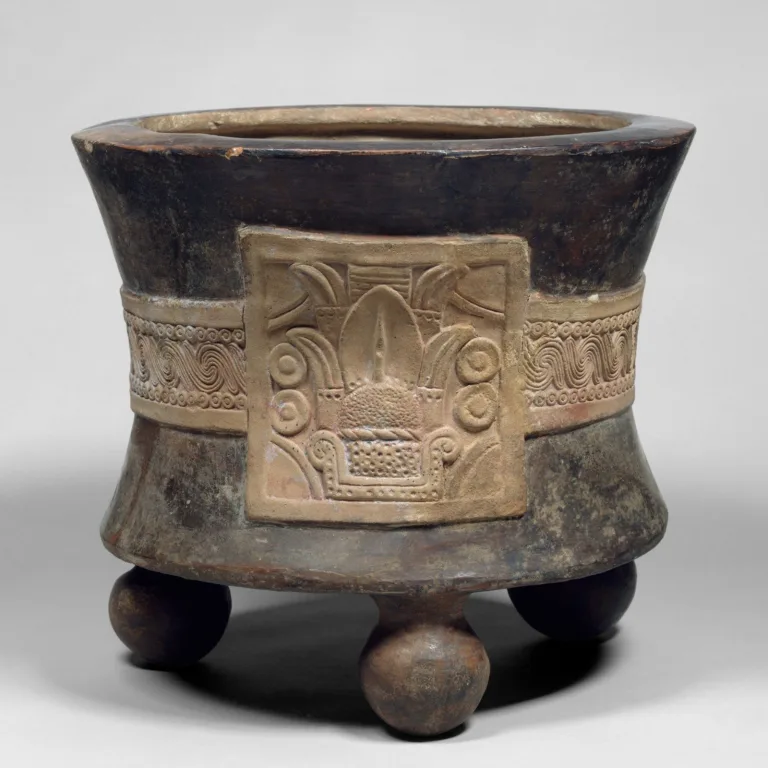
Despite their reputation for warfare, the Aztecs maintained one of the most sophisticated economies in the precontact Americas. Despite their reputation for warfare, the Aztecs built one of the most sophisticated and interconnected economies in the ancient Americas. Their strength rested on a vast tribute system that funneled goods, labor, and knowledge into Tenochtitlán, turning the city into the commercial and cultural heart of Mesoamerica.
Economy and Exchange
- Tlatelolco, the twin city of Tenochtitlán, hosted a bustling marketplace with as many as 40,000 merchants a day.
- Cacao beans served as a common currency, traded alongside copper bells, obsidian blades, woven cloth, and feathers.
- Pochteca merchants traveled across the empire as traders and ambassadors, forming networks that linked distant provinces.
- Tribute from conquered lands included feathers, cacao, obsidian, cotton cloth, gold, and jaguar skins, and staple foods like maize, beans, salt, and chilies.
These goods sustained temples, armies, and palaces, but they also supported the festivals and offerings that honored the gods. Trade and devotion moved together through every level of Aztec life.
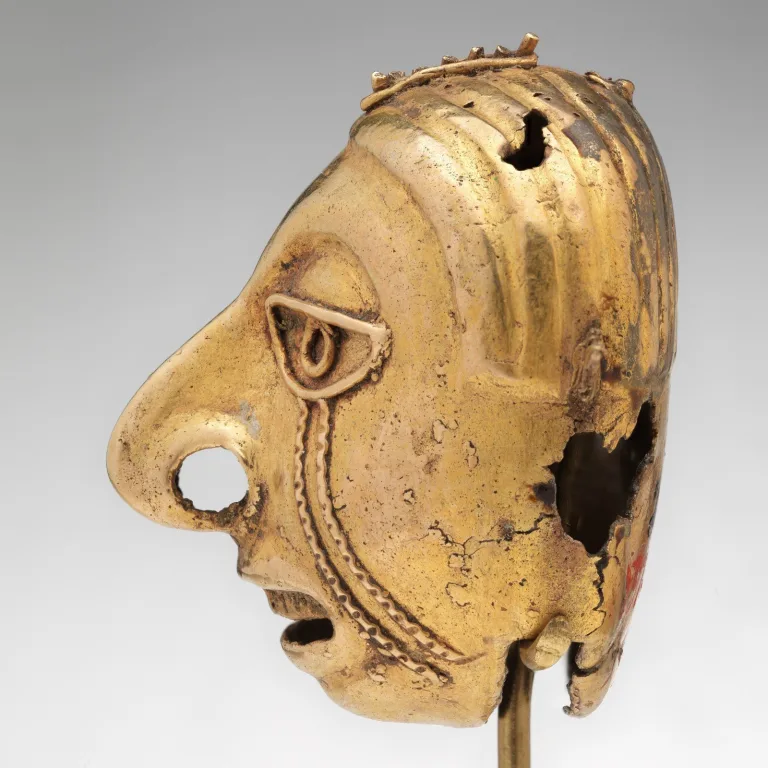
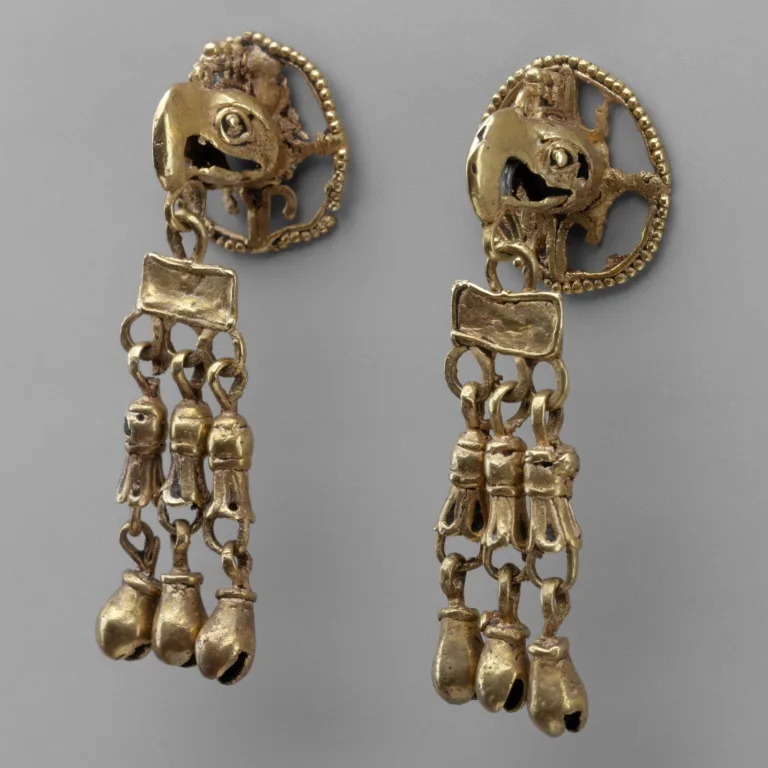
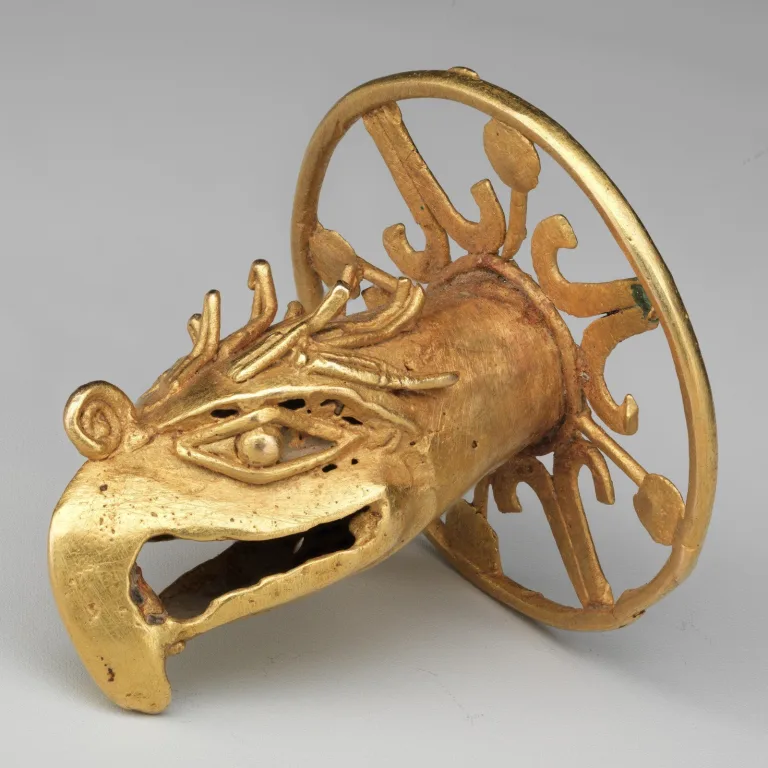
Aztec culture itself was built on exchange. It drew deeply from older civilizations, blending inherited traditions with new forms of art, architecture, and ceremony. From the Olmecs, they took early deities, sacred symbols, and the concept of divine rulership. The ruins of Teotihuacan inspired their city planning and temple design. The Toltecs were remembered as a golden age, and Aztec kings claimed Toltec descent to legitimize their power. Knowledge shared with the Maya brought refined calendars, astronomy, and art, while contact with the Mixtecs and Zapotecs influenced codices, noble alliances, and religious expression.
By blending these traditions, the Aztecs positioned themselves as heirs to everything that came before. Their empire became a living synthesis of belief and exchange, a civilization that gathered the memory of Mesoamerica into one enduring vision.
War, Sacrifice, and Resistance
Yes, the Aztecs practiced human sacrifice, not casually, but as a sacred necessity. They believed the gods had sacrificed themselves to create the world, and humans had to repay that debt.
Victims were often captives from war, sacrificed during grand festivals such as:
- Tlacaxipehualiztli: A spring ritual involving combat and flaying
- Toxcatl: In which a young man impersonated Tezcatlipoca before being sacrificed
- Huey Tozoztli: Agricultural rites invoking Tlaloc and fertility deities
Ritual violence was embedded in statecraft, myth, and visual symbolism. Not merely cruelty, it was a form of divine reciprocity.
Not all were conquered. The Tarascans (Purépecha) in western Mexico were a technological rival, wielding metal weapons and resisting Aztec expansion for over a century. The Tlaxcalans remained fierce enemies and would later ally with the Spanish to bring down the empire.
Despite their reach, the Aztec world was never fully unified. This patchwork would become a liability during foreign invasion.

The Fall of an Empire
In 1519 CE, Hernán Cortés landed on the coast and quickly allied with disgruntled rivals like Tlaxcala. With fewer than a thousand men and tens of thousands of native allies, he marched inland.
Moctezuma II welcomed him cautiously, perhaps seeing Cortés as a returning god. Tensions boiled. The Spanish attacked, and Moctezuma died under mysterious circumstances. After fleeing the city on the Noche Triste, Cortés returned with a siege army.
The fighting lasted for months. The lakes were blockaded. Aqueducts were cut. Smallpox spread ahead of the Spanish line, killing thousands and weakening the city’s defenses. Entire neighborhoods were burned or flattened. The defenders held out, even as food and water ran out.
By 1521, Tenochtitlán fell. The temples were destroyed. The canals were filled in. The city was buried beneath Mexico City.
Legacy of the Mexica
What began as an island settlement grew into one of the most complex civilizations in the Americas. The Mexica built their capital on water, aligned it with the heavens, and filled it with monuments that mirrored their understanding of the universe. When it fell, the city was buried, but not forgotten.
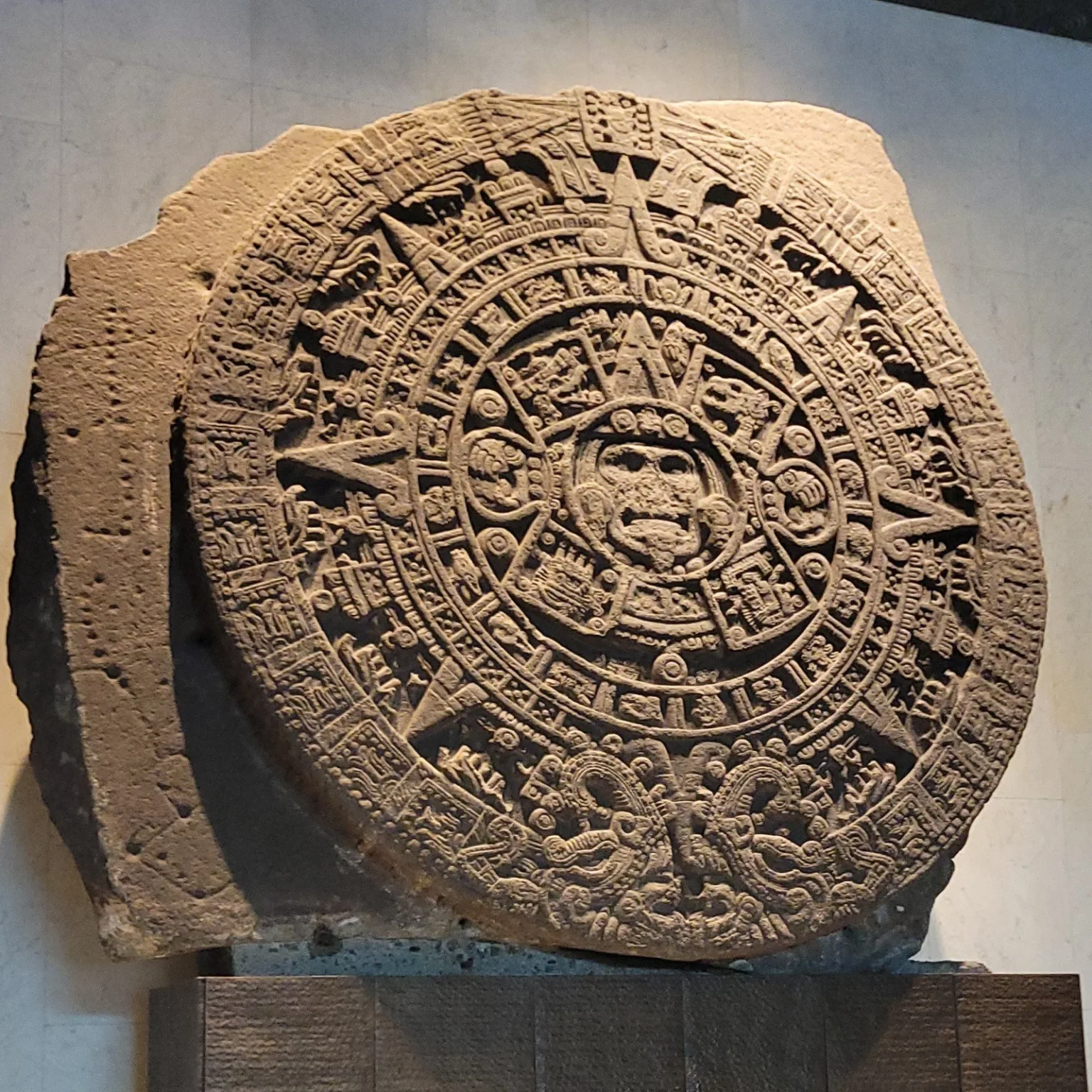
Traces remained. They lived in language, in memory, in the layout of streets, and in the survival of names. Nahuatl is still spoken. The Sun Stone was found again. The Templo Mayor rose from the earth once more, not as a seat of power but as a place of memory. The same soil that held the ruins still holds the roots.
Today, the legacy of the Mexica moves between past and present. Their calendar marks more than time. Their symbols shape identity. Their vision of balance, sacrifice, and order continues to influence how the world beneath Mexico City is seen and understood.
They did not vanish. They endured. Not in myth, but in continuity. Not in ruins, but in what was carried forward. Their world remains beneath the surface, in the structure of the land, and in the people who still call it home.

Museums that Explore the Aztec World
Across Mexico, museums preserve the story of the Aztec civilization through sculpture, codices, and ceremonial art that reveal how the Mexica viewed power, divinity, and empire. Visiting these collections shows how their legacy continues to shape the identity and imagination of modern Mexico.
- Museo del Templo Mayor (Mexico City) – Built beside the excavated heart of ancient Tenochtitlán, this museum displays the original temple’s sculptures, offerings, and ritual objects, including the massive Coyolxauhqui Stone and the twin shrines of Huitzilopochtli and Tlaloc.
- Museo Nacional de Antropología (Mexico City) – Home to the world’s largest Aztec collection. Highlights include the Sun Stone, monumental deity sculptures, imperial regalia, and artifacts that illuminate Aztec cosmology and daily life.
- Museo Amparo (Puebla, Mexico) – Houses an extensive collection of Aztec, Mixtec, and Zapotec art, connecting the story of empire to regional creativity across Mesoamerica.
- Museo Regional de Puebla (Puebla, Mexico) – Features pre-Hispanic collections from central Mexico, including artifacts that trace the expansion of Aztec influence beyond the Basin of Mexico.
- Museo de Sitio del Templo de Ehécatl (Mexico City) – A small museum built around a circular temple to Ehécatl, the wind god, offering a rare glimpse of the sacred structures that once stood in Tenochtitlán.
Together, these museums and collections provide a window into the Aztec world. From the sacred heart of Tenochtitlán to regional centers of art and power, each gallery helps reveal how faith, empire, and artistry came together to shape one of the greatest civilizations of the Americas.
Aztec Ruins You Can Visit
- Teotihuacan – Earlier city that influenced Aztec urban design and cosmology
- Tenochtitlán – Aztec capital buried beneath modern-day Mexico City
- Tlatelolco – Sister city and central market hub within the Mexica heartland