
Tepozteco
MEXICO / MORELOS / AZTEC
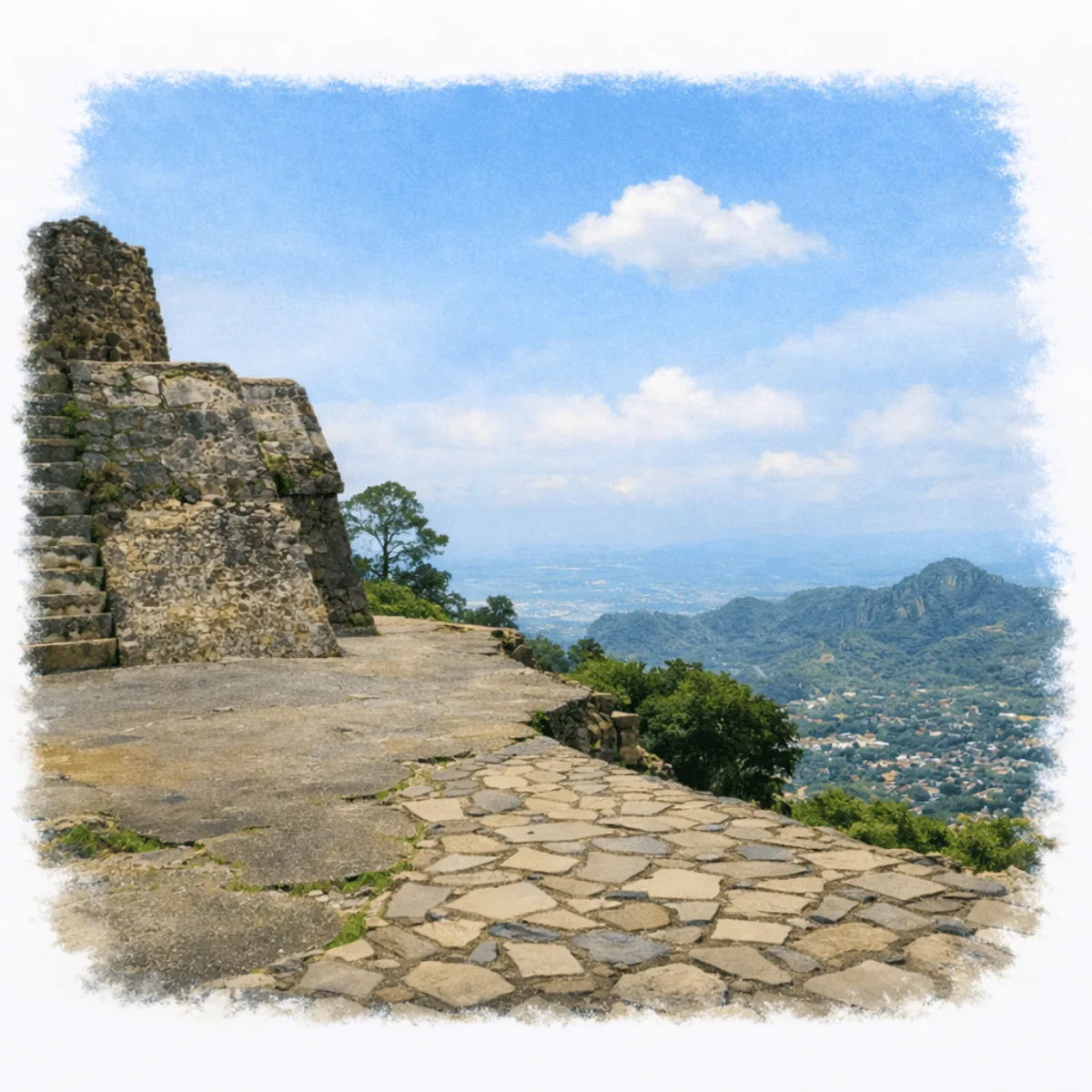
Clinging to the cliffs above Tepoztlán, the Tepozteco pyramid isn’t about grandeur. It’s about the climb, the view, and the ritual of arriving at a temple dedicated to the god of pulque.
| Name | Tepozteco |
| Civilization | Aztec (Tepozteca people under Mexica rule) |
| Location | Sierra de Tepoztlán, Morelos, Mexico |
| Elevation | 2,300 m (7,550 ft) |
| Years Active | c. 1200s–1521 AD |
| Primary Resources | Pulque, maize, trade |
| Site Type | Hilltop sanctuary and shrine |
| Key Highlights | Temple of Tepoztécatl, mountain ascent, valley views |
| INT Airport: | Mexico City International Airport (MEX) |
| Entry Fee | 105 MXN; 210 MXN for foreign visitors |
| Best Time to Visit | Weekday mornings |
| Field Visit | Visited & photographed by Lost Ruins of the Americas |
Unique Features of the Tepozteco Archaeological Site
- Architectural Highlights: Small hilltop pyramid dedicated to Tepoztecatl
- Notable Artifacts: Offerings to the pulque god, carved glyphs
- Natural Surroundings: Sheer cliffs and panoramic views of the valley
- Comparative Notes: Modest in scale, but symbolically rich and uniquely scenic
Location & Access
- Nearest Town: Tepoztlán (walkable)
- Directions: From Mexico City, take the Autopista del Sol south to the Oaxtepec and Cuautla exit, to Tepoztlán. Follow Avenida del Tepozteco to Axitla, where the 2-kilometer ascent to the archaeological zone begins.
- Official Website: INAH Zona Arqueológica Tepozteco
- Opening Hours: Wednesday to Sunday, 9:00 AM to 4:00 PM, with last access at 3:00 PM.
- Entry Fees: 105 MXN; 210 MXN for foreign visitors.
- Facilities: Bathrooms at trailhead, snacks along the way
- Accessibility: Difficult. The rustic trail gains approximately 595 meters over 2 kilometers and includes steep, uneven stone steps. The summit is not wheelchair accessible.
- Pro Tip: Weekends are packed. Go early on a weekday for a quieter climb and cooler weather.

Highlights to Help Understand Your Visit
Look beyond the simplicity of Tepozteco’s temple. This site speaks through landscape, effort, and ritual placement.
Here’s what to keep in mind as you climb:
- The Climb Is the Ceremony: The steep ascent was part of the ritual. Each step tested devotion before reaching the god’s shrine.
- Built to Face the Valley: The temple’s position wasn’t random. It frames views of the town and surrounding peaks, reinforcing its power over place.
- Symbol Over Scale: Its modest footprint was intentional. A place where meaning outweighed material.
- Stone as Statement: Materials were hauled uphill by hand. The act of building here was itself a devotional sacrifice.
- Modern Echoes of Ancient Pilgrimage: The weekend crowds, vendors, and pulque shots are a continuation, not a disruption, of sacred gathering.
Key Structures of the Tepozteco Ruins
- Temple of Tepoztécatl: A two-level pyramidal base supports a porticoed sanctuary with an antechamber and inner chamber dedicated to Ometochtli-Tepoztécatl.
- Thirteen-Step Stairway: Broad sidewalls frame the narrow western stair, whose thirteen steps were linked to the heavens and ritual calendar.
- Relief-Carved Bench: This interior bench may have supported the deity’s image or sacred bundle; its carvings refer to pulque, sacrifice, and rulership.
- Western Plaza: Retaining walls and extensive leveling created the ceremonial space immediately west of the temple.
- South Rooms: These chambers likely housed the person regarded as Tepoztécatl’s human embodiment and stored implements used in the sanctuary.
- Residential Terraces: Leveled ground east of the temple supported housing within the steep mountaintop complex.
History and Legends
Tepozteco sits high above the town of Tepoztlán, and for centuries, pilgrims have made the steep climb to honor Tepoztecatl, the Aztec god of pulque, fertility, and celebration. Though small in size, the hilltop shrine held deep religious significance for the Tepozteca people, and later, the broader Aztec world.
The temple itself likely dates to the Late Postclassic period (c. 1200–1500 AD), when the region came under Mexica control. Built on a narrow rock platform, it served as a sacred spot for seasonal rituals and offerings to Tepoztecatl, a god closely associated with fermentation, excess, and divine madness. Pulque, a milky alcoholic drink made from agave, was more than just refreshment; it was a portal to the divine.
Rituals may have involved elite initiations, agricultural blessings, or even trance-like states. Offerings discovered at the site include ceramic vessels, obsidian blades, and remains of sacred foodstuffs.
But more than its religious value, the climb to Tepozteco was a statement of physical and spiritual intent. It’s steep, demanding, and rewarding. This is the kind of path meant to humble you before arrival. Today, that ritual persists in modern form. Travelers, families, and devoted hikers make the trek for reasons both sacred and social.
Experiences Around Tepozteco
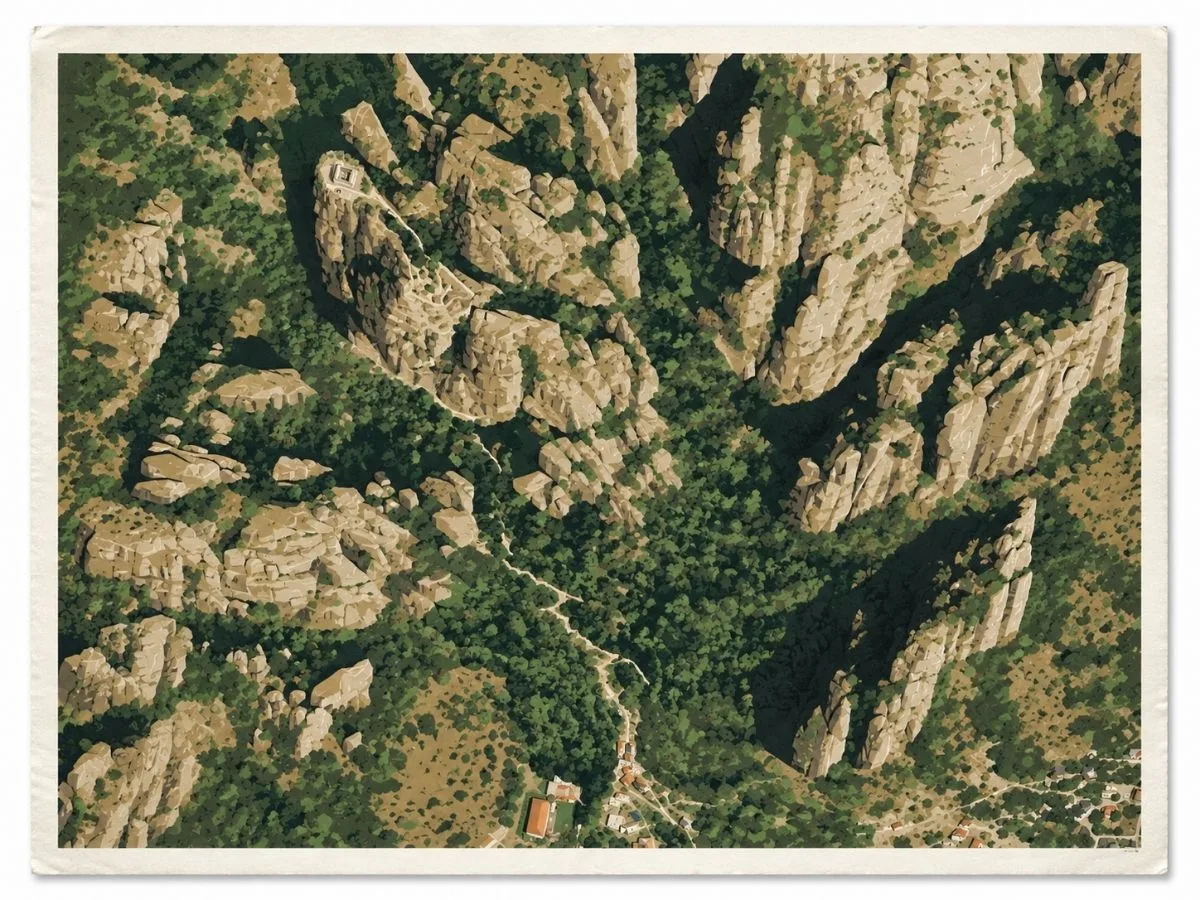
The ruins are only part of the story. Steep volcanic cliffs and forested ridges rise around Tepoztlán, enclosing the town beneath El Tepozteco.
–
In town, browse the traditional market for produce, crafts, and local foods such as itacates, tlacoyos, and tamales.
–
Nearby, walk through the 16th-century Ex Convento de la Natividad, where surviving murals line a Dominican monastery now included in a UNESCO World Heritage property.
The site endured through the Spanish conquest, likely protected by its remoteness and local reverence. Though simple in structure, with a single rectangular platform topped by a small temple, it offers one of the most spectacular lookout points in central Mexico.
Tepozteco isn’t about size or splendor. It’s about perspective. Physically, spiritually, and literally.
How to Get There & Where to Go Next
How to Visit Tepozteco
– Step-by-step access to the site –
- From CDMX: Bus from Terminal Tasqueña to Tepoztlán (1.5–2 hrs)
- Arrive in town: Walk from bus stop to market entrance (10 min)
- Trail start: Follow signed path behind market into the hills (5 min)
- Climb to ruins: Steep hike with stone steps and switchbacks (45–90 min)
- Pay at summit: Entry fee collected at top (60–100 MXN)
Tips: Go early to avoid crowds and heat. Trail is strenuous, wear proper shoes and carry water.
Nearby Ruins You Can Visit
The sacred cliffs of Tepozteco were just one peak in a mountain range of ritual centers. Explore nearby sites that echo its ceremonial and cultural legacy.

El Tlatoani – A little-known hilltop shrine near Tlayacapan, still shrouded in ritual and local legend.

Teotihuacan – Much older, but its sacred geometry and warrior symbolism helped shape the ideology of later Aztec sites like Malinalco

Chalcatzingo – A mountain-ringed site with Olmec-style carvings, rain god iconography, and early plaza planning rooted deep in Mexico’s highland past..


Traveler Tips
- What to Bring: Water, sunscreen, and solid walking shoes
- Best Time to Visit: Weekday mornings
- Nearby Attractions: Tepoztlán markets, Ex-Convento de la Natividad
- Safety Notes: Trail is steep and slippery when wet
Elsewhere in the Americas…
As Tepozteco stood as a mountaintop ceremonial site in central Mexico, other cultures across the Americas were shaping their own expressions of power and ritual:

The Inca Empire expanded from Cusco, building roads, sun temples, and mountain sanctuaries like Machu Picchu across the Andes.

High in Colombia’s Sierra Nevada, the Tairona built Ciudad Perdida with terraced ceremonial centers reachable only by jungle paths and stone steps.

In the central U.S., the Mississippian center of Cahokia built massive earthen mounds and ceremonial plazas tied to regional authority.
Insider Explorer Advice
The climb to Tepozteco is steep, uneven, and physically demanding, especially under the midday sun. The stone stairs are irregular and feel endless at times, so visitors should pace themselves and bring plenty of water. The reward at the top is more than worth the effort. Panoramic views stretch across the valley, with the temple perched dramatically on a narrow ledge. Early morning visits offer cooler temperatures and fewer people. On weekends, the trail transforms into a festive procession, with vendors offering pulque shots, micheladas, and souvenirs along the way. The experience blends effort, tradition, and celebration. This is not just a ruin to visit. It is a ritual to complete.
Summary: Tepozteco is a climb, a view, a ritual, and a reward. A place where spirit meets sweat in the shadow of the Aztec god of pulque.