
Cerro Miraflores
PERU / LA LIBERTAD / HUAMACHUCO
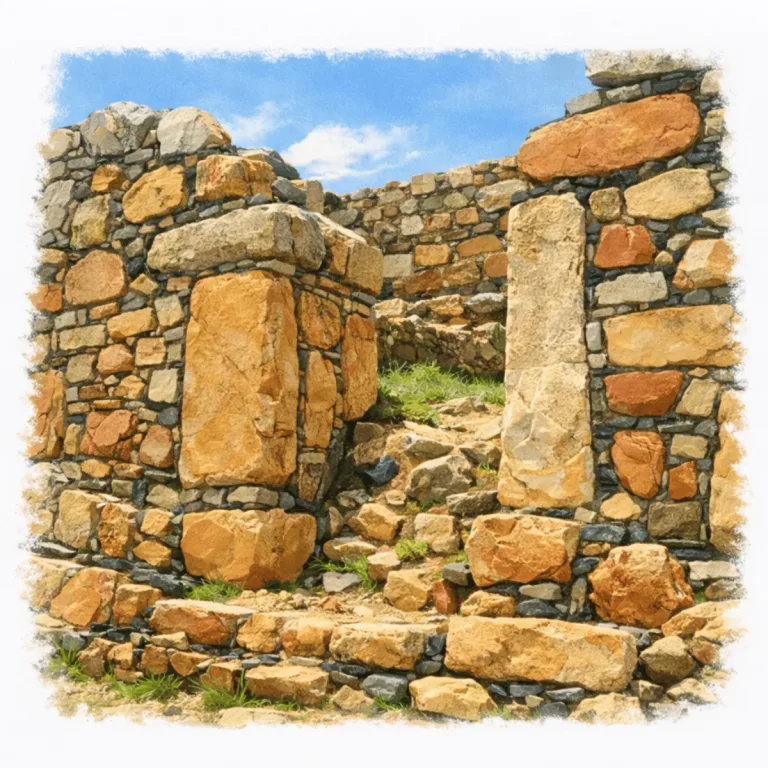
On a high ridge above Huamachuco, Cerro Miraflores organizes fortified stone terraces, where tightly clustered compounds and defensive walls control access across a strategic highland corridor.
| Name | Cerro Miraflores |
| Civilization | Huamachuco |
| Location | Huamachuco, La Libertad, Peru |
| Elevation | 3,440 meters (about 11,286 feet) above sea level |
| Years Active | c. 400–1000 CE |
| Primary Resources | Volcanic stone, quartzite |
| Site Type | Hilltop fortress and lookout |
| Key Highlights | Stone enclosures, panoramic views, defensive walls |
| Entry Fee | Free |
| Best Time to Visit | Morning or late afternoon |
Unique Features of the Cerro Miraflores Archaeological Site
- Strategic Elevation: The site crowns a narrow ridge overlooking Huamachuco, with steep drops on both sides that created natural barriers.
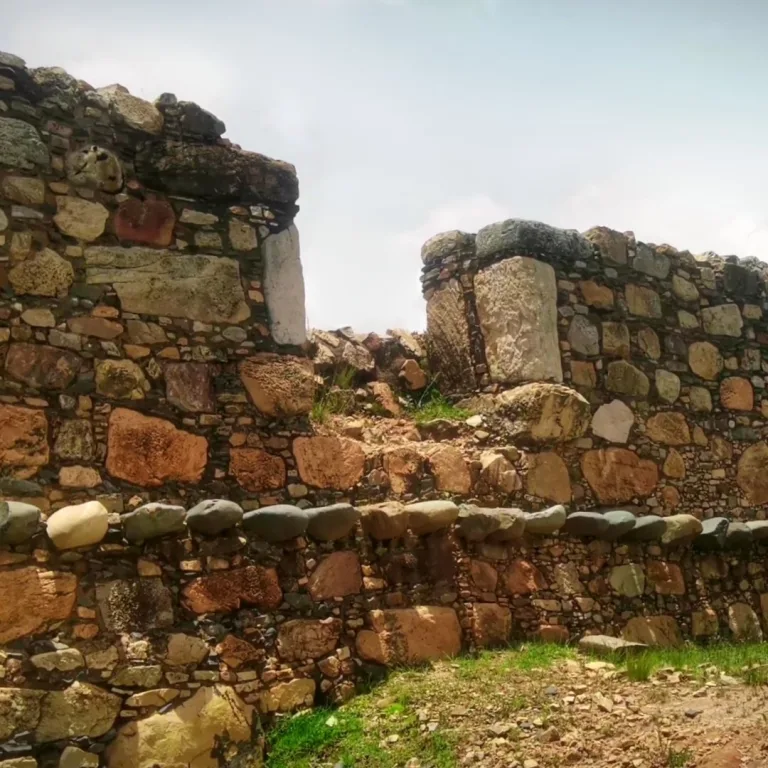
- Dry-Stone Construction: Walls were built without mortar, using local volcanic rock and the same stacking methods seen at Marcahuamachuco.
- Segmented Layout: The space is broken into small enclosures with no central plaza, matching the decentralized planning of other Huamachuco sites.
- Limited Excavation: Much of the structure remains buried or overgrown, offering a raw, unaltered feel with little modern interference.
- Regional Role: Cerro Miraflores likely functioned as a lookout or checkpoint that supported the larger complex at Marcahuamachuco.
Location & Access
- Nearest Town: Huamachuco, La Libertad
- Directions: From Huamachuco’s Plaza de Armas, take a mototaxi to Cerro Miraflores (approx. 10–15 minutes). Drivers are familiar with the site. The route winds uphill past Alto Shamana before reaching a dirt track.
- Opening Hours: Open access, no formal hours
- Entry Fees: None
- Facilities: None at site; museum and restrooms available in Huamachuco
- Accessibility: Moderate. Dirt paths and incline; not wheelchair accessible
- Pro Tip: Visit the municipal museum first for context and ceramic displays
Highlights to Help Understand Your Visit
This ridge-top site doesn’t overwhelm with size, but it reveals its secrets in structure and setting. Here’s what to keep in mind as you walk the upper hill:
- Eyes on the Valley: The summit offers a near 360-degree view. Watch how every pass, trail, and hillside falls under its gaze. This was surveillance through architecture.
- Built to Match the Land: The stonework curves with the hill instead of flattening it. That choice reflects precision and terrain-based planning.
- Absence is a Clue: There’s no large temple or central plaza. That absence suggests the site’s power came from oversight, not display.
- Fragments Underfoot: Keep an eye out for quartzite glints or scatter zones. These quiet patches may mark moments of ritual instead of permanent structures.
Key Structures of the Cerro Miraflores Ruins
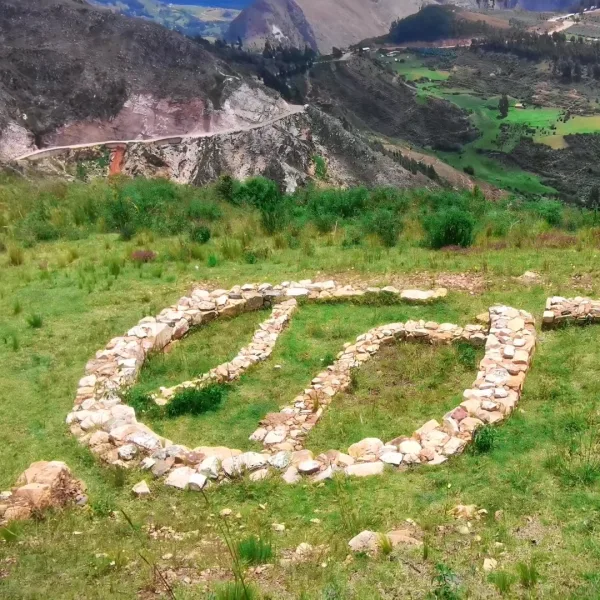
- Hilltop Enclosures: Oval and circular stone enclosures clustered at the summit. These may have functioned as defensive posts, ritual chambers, or shelter for lookouts stationed at the site.
- Terraced Platforms: Carved into the hillside below the summit, these flat platforms may have supported temporary structures, dwellings, or provided space for offerings.
- Perimeter Walls: Low stone walls defining the outer edge of the summit. Their curving form follows the hill’s natural shape and likely marked sacred or defensive boundaries.
- Stone Steps and Access Path: Crude but intentional stone steps leading to the summit, now partially eroded. These suggest planned movement and structured approach routes.
- Lookout Point: A rocky outcrop on the northern edge offering unobstructed views over Huamachuco and the valley. Possibly used as a watch station or ceremonial observatory.
- Quartzite Scatter Zones: Sections of the hilltop where glinting quartzite fragments are found in concentration. These may represent ritual deposits or remnants of tool-making activities.
How to Get There & Where to Go Next
How to Visit Cerro Miraflores
Step-by-step access to the site
- Lima to Trujillo: 1-hour flight or 9-hour bus north along the coast.
- Trujillo to Huamachuco: 6-hour bus or shared van into the highlands.
- Huamachuco to trailhead: 10-minute mototaxi from Plaza de Armas to Alto Shamana.
- Hike to summit: 15 to 20-minute uphill walk from the dirt road access point.
Tips: Visit early in the day for clear skies. Mototaxi drivers in town know the site well. Just ask for Cerro Miraflores.
Nearby Ruins You Can Visit
The highlands of northern Peru are layered with stone-built power centers. These sites each reflect different timelines and cultures, but all speak to regional ambition and sacred design.

Marcahuamachuco – Monumental walls and funerary towers crown a mountaintop once called the “Machu Picchu of the North.”

Viracochapampa – A Wari provincial center near Huamachuco, laid out with geometric compounds, long corridors, and walled plazas.

History and Legends
Cerro Miraflores belongs to the Huamachuco cultural tradition, an Andean civilization that flourished in the highlands of northern Peru from approximately 400 to 1000 CE. Known for its hilltop fortresses, intricate stonework, and religious centers, the Huamachuco culture occupied a strategic crossroads between the coastal valleys and interior highlands. Marcahuamachuco, the region’s primary ceremonial center, is located just a short drive away, and scholars believe sites like Cerro Miraflores functioned as outer sentinels, guard posts, or ritual stations aligned with broader sacred landscapes.
Though small in size compared to Marcahuamachuco, Cerro Miraflores offers significant insight into the region’s defense and territorial strategies. The circular enclosures and stone barricades speak to an architectural language rooted in visibility, control, and resilience. The summit’s view spans the modern town of Huamachuco and far beyond, reinforcing the site’s role as both lookout and symbol. Its location near Alto Shamana and the winding trail from the valley likely made it a place of movement, watchfulness, and connection between nearby settlements.
Archaeological work on Cerro Miraflores has been limited, but ceramics and lithic remains connect it clearly to the Huamachuco sphere. The surrounding region also reveals Inca-era influence, suggesting that Cerro Miraflores may have retained significance well into the Late Intermediate or Inca periods. Local oral histories mention it as a sacred vantage point and resting place for travelers en route to Marcahuamachuco’s grand complex. Whether for defense, ceremony, or both, its quiet presence atop the hill continues to mark it as a place of significance.
Traveler Tips
- Bring sun protection. There is no shade at the summit.
- Wear hiking shoes or boots; the final approach is on a dirt trail with some incline.
- There are no signs or facilities at the site; carry water and any supplies.
- The municipal museum in Huamachuco provides useful background context and artifacts.
- Weather can shift quickly; mornings are clearest for views and photos.
Elsewhere in the Americas…
While Cerro Miraflores overlooked the highland valleys of northern Peru, other civilizations in the Americas were beginning to shape their own monumental landscapes:
On the Gulf Coast of Mexico, the Olmec established ceremonial centers shaping Mesoamerican religion and iconography.

Teotihuacan dominated central Mexico with wide causeways, massive pyramids, and influence that reached deep into Mesoamerica.

Ancestral Puebloans at Edge of the Cedars kept pottery and kiva traditions alive in the U.S. Southwest.
Insider Explorer Advice
Cerro Miraflores is closer than it looks. A quick mototaxi from Huamachuco’s Plaza de Armas brings you within walking distance of the base. The route past Alto Shamana is steep but scenic, and local drivers know the way. For explorers heading to Marcahuamachuco, it’s well worth arriving a bit earlier to see Miraflores first. The municipal museum near the plaza, while small, is packed with local ceramics, Inca finds, and site information that helps orient the visit. Language is mostly Spanish, but the visual layout is clear. From the summit, the reason for the ruin becomes obvious. The view alone explains its purpose.
Summary: A short climb and long view. Cerro Miraflores brings the Huamachuco landscape into focus, stone by stone.