
Malinalco
MEXICO / ESTADO DE MEXICO / MAYA
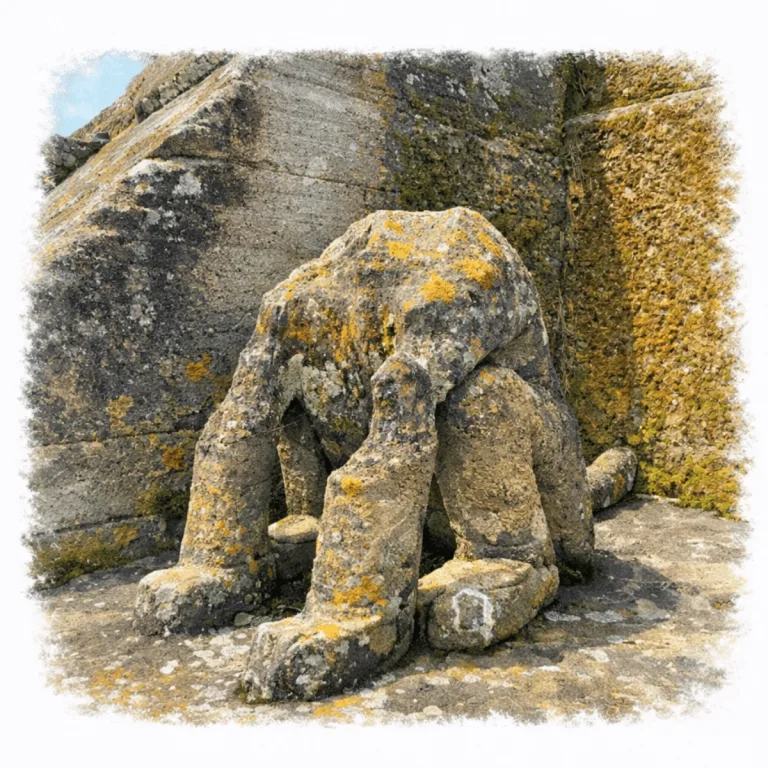
Carved directly into a mountainside above the Malinalco Valley, Malinalco shapes a circular temple from living rock, where eagle and jaguar seats line the interior of an Aztec ritual chamber.
| Name | Malinalco |
| Civilization | Matlatzinca; later Aztec /Mexica |
| Location | Malinalco, Estado de México, Mexico |
| Elevation | 1,875 – 1,965 m (6,150 – 6,450 ft) above sea levei |
| Years Active | c. 1476–1521 AD |
| Primary Resources | Maize, tribute goods, religious labor |
| Site Type | Ceremonial & military sanctuary |
| Key Highlights | Cliff-carved Temple of the Eagle Warriors, panoramic views |
| INT Airport | Mexico City International Airport (MEX) |
| Entry Fee | 85 MXN; 155 MXN for foreign visitors |
| Best Time to Visit | Dry season mornings for clear views |
| Field Visit | Visited & photographed by Lost Ruins of the Americas |
Unique Features of the Malinalco Archeological Site
- Architectural Highlights: Structure I, the Cuauhcalli, carved directly into volcanic rock, with an entrance shaped like a serpent’s mouth
- Notable Artifacts: Stone thrones, ritualistic carvings, and iconography of eagles and jaguars
- Natural Surroundings: Set on a forested cliff with stunning panoramic views of the valley and mountains
- Comparative Notes: The only Aztec temple of its kind carved from living rock, creating an immersive spiritual experience
Location & Access
- Nearest Town: Malinalco (town center)
- Directions: From Mexico City, travel toward Toluca, turn toward Tenango del Valle at La Marquesa, and take the Malinalco turn near Jajalpa.
- Official Site: INAH Zona Arqueológica de Malinalco.
- Opening Hours: Tuesday to Sunday, 10:00 AM to 5:00 PM. Closed Monday.
- Entry Fees: 85 MXN for Mexican nationals and foreign residents; 155 MXN for foreign visitors.
- Facilities: Ticket office, restrooms, an introductory exhibit, interpretive panels, and resting points along the ascent.
- Accessibility: Difficult. The archaeological complex is reached by a long, steep staircase and is not wheelchair accessible.
- Pro Tip: Arrive when the site opens and carry water. The summit complex is compact, but the exposed climb is a major part of the visit and becomes harder as the day warms.

Highlights to Help Understand Your Visit
Malinalco is compact, but its carved sanctuary, steep ascent, warrior imagery, and position above the valley reveal how architecture, ritual, and military power were brought together on the mountain.
- The Mountain Was Part of the Design: The ceremonial precinct stands high above the Malinalco Valley, reached by a steep ascent from the settlement below. Its position created a controlled approach while opening broad views across the surrounding landscape.
- A Specialized Sanctuary: Malinalco was not a sprawling imperial capital. Its summit buildings served focused ceremonial and military purposes, including rites associated with elite eagle and ocelot warriors.
- The Cuauhcalli Was Cut from the Cliff: Structure I was carved directly from the living rock at the edge of the mountain. Its façade, entrance, chamber, benches, and sculptures form a single monolithic monument.
- Animals Define the Ritual Space: Visitors enter through the open mouth of a serpent, while carved eagles and an ocelot occupy the chamber within. Together, these figures linked the sanctuary with warfare, sacrifice, and elite warrior identity.
- The Valley Explains Its Location: From the ceremonial precinct, the Aztecs could watch the valley and the routes passing through Malinalco. The site combined ritual importance with surveillance and control of the surrounding landscape.
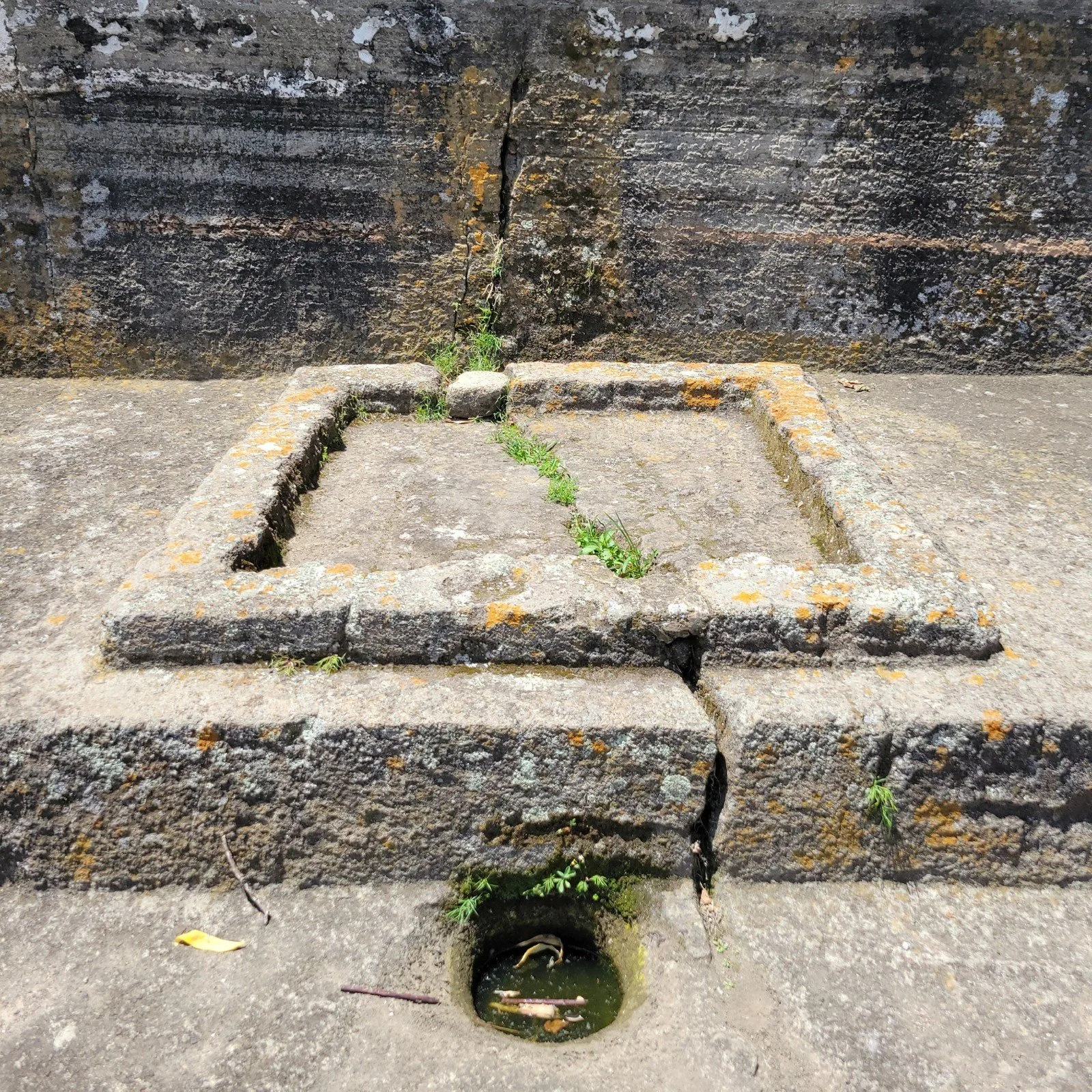
Key Structures of the Malinalco Ruins
- Cuauhcalli, Structure I: Malinalco’s principal sanctuary was carved directly from the living rock. Its serpent-mouth entrance, forked stone tongue, semicircular interior bench, eagles, and ocelot created the setting for ceremonies associated with elite Aztec/Mexica warriors.
- Structure II: A west-facing truncated pyramid built from stone and originally covered with stucco. Its central stairway and conventional masonry construction contrast with the neighboring rock-cut sanctuary.
- Tzinacalli, Structure III: This stuccoed building combines a rectangular outer room with a circular inner chamber containing a fire-damaged altar. It is believed to have hosted cremation rites involving members of the military order who died or were captured in battle.
- Temple of the Sun, Structure IV: A large rectangular, semi-monolithic platform with two elongated stone bases that once supported wooden roof posts. It is believed to have hosted a major ceremony honoring the Sun every 260 days.
- Temalácatl, Structure V: A small circular masonry monument measuring just over two meters across. Although heavily damaged, it is identified as a temalácatl, a stone platform associated with ritual gladiatorial sacrifice.
- Unfinished Structure VI: This planned circular monument was still being carved when the Spanish arrived. Flint chisels recovered from the rubble preserve direct evidence of the tools used by its builders.


History and Legends
Before it became an Aztec/Mexica military sanctuary, Malinalco was a Matlatzinca city. The Aztecs conquered the region around 1476 and used its position above the valley as a lookout over trade routes, a military garrison, and a defensive point protecting an important aqueduct toward Tenochtitlan. The ceremonial buildings visible today belong largely to this final period of imperial control.
The Cuauhcalli, or House of the Eagles, was ordered by the Aztec ruler Ahuízotl in 1501 and continued under Moctezuma Xocoyotzin in 1515. Unlike a conventional masonry temple, its façade, entrance, chamber, benches, and sculptures were carved from a single body of rock. The result is one of the most distinctive surviving monolithic monuments in Mesoamerica.
The sanctuary is widely interpreted as a setting for ceremonies marking the advancement of elite eagle and ocelot warriors. Those who had distinguished themselves in battle may have fasted, taken part in ritual combat, and received insignia placed through the nose or chin to mark their new rank. These ceremonies connected military achievement with the Aztec belief that warfare and sacrifice helped sustain the daily rebirth of the sun.
That meaning was built directly into the temple. Visitors entered through the open jaws of a serpent representing the earth monster. Inside, two carved eagles and an ocelot occupy a semicircular bench, while another eagle stands at the center beside a cavity that may have received offerings of ritual blood. The chamber brought earth, warfare, sacrifice, and transformation together within the mountain itself.
Experiences Around Malinalco
The ruins are only part of the story. Steep green hills enclose a warm valley of cultivated slopes and maguey beneath the Cerro de los Ídolos.
Step inside the 16th-century Ex Convento del Divino Salvador to see cloister walls covered in black-and-white murals of local plants and animals painted by Indigenous tlacuilos.
At Taller Galería René Martín, join a woodcarving workshop centered on teponaztlis, huéhuetls, and other traditional instruments still made by Malinalco artisans.
Malinalco also carries an older mythic identity. Its name may refer to Malinalxóchitl, a goddess associated with sorcery and ominous divination who was regarded as a sister of Huitzilopochtli and Coyolxauhqui. One Nahua tradition says that she was abandoned during the Aztec migration and established herself at Malinalco. Her story adds a deeper mythic layer to the mountain sanctuary later built by the empire associated with her brother.
Malinalco did not escape the Spanish conquest. During the siege of Tenochtitlan in 1521, Hernán Cortés sent Captain Andrés de Tapia with Spanish soldiers and Indigenous allies to defeat the garrison before it could reinforce the Aztec capital. The political and military world that built the Cuauhcalli ended soon afterward, but the sanctuary remained cut into the mountain, preserving one of the clearest surviving expressions of Aztec warrior ritual.
How to Get There & Where to Go Next
How to Visit Malinalco
Step-by-step access to the site
- Bus to Tenango del Valle: From Mexico City’s Observatorio terminal (~1 hr 45 min)
- Colectivo to Malinalco: Leaves from near Elektra store by pedestrian bridge (~35 min)
- Walk to ruins: Follow signs uphill from town center (~10–15 min)
Tip: Direct buses to Malinalco are infrequent, build in time for transfers and arrive early to avoid heat.
Nearby Ruins You Can Visit
These highland sites mirror Malinalco’s elevated ritualism. From mountain sanctuaries to powerful ceremonial layouts shaped by conquest, myth, and memory.

Teotenango – A walled city on a volcanic ridge, where Matlatzinca builders shaped terraces, plazas, and gates above the Toluca Valley floor.

Teotihuacan – Much older, but its sacred geometry and warrior symbolism helped shape the ideology of later Aztec sites like Malinalco
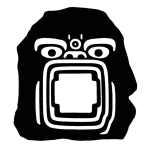
Chalcatzingo – A mountain-ringed site with Olmec-style carvings, rain god iconography, and early plaza planning rooted deep in Mexico’s highland past.

Traveler Tips
- What to Bring: Water, hat, sun protection, and sturdy shoes for climbing
- Best Time to Visit: Morning, for cooler temperatures and optimal lighting
- Nearby Attractions: Explore the town’s artisan markets and visit the small museum nearby
- Safety Notes: The stone stairways are steep and uneven; take your time and use the handrail
Elsewhere in the Americas…
While Malinalco stood as a ceremonial center carved into the mountains of central Mexico, other cultures across the Americas were shaping distinct centers of power and ritual:

Tarmatambo functioned as a highland Inca administrative center, linking Inca power to local settlements along the mountain routes.

Machu Picchu, likely built as a royal retreat in the Sacred Valley of Peru, stood in the cloud forest. A masterpiece of engineering and sacred landscape planning.


Insider Explorer Advice
Reaching Malinalco requires a bit of navigation, but the journey is straightforward once planned. Travelers departing from Mexico City can take a bus from the Observatorio station to Tenango del Valle. From there, a reliable colectivo runs to Malinalco. Look near the Elektra store by the pedestrian bridge. While direct buses to Malinalco are less frequent, this two-step route is dependable. The town itself is welcoming, with locals who take genuine pride in their heritage. The ruins are perched just above the town center, and a short but steep climb leads to sweeping views of the valley and surrounding mountains.
Summary: Malinalco is a sacred and intimate Aztec ceremonial center carved into the mountain. It is a powerful fusion of history, myth, and breathtaking natural beauty.