The Sacred Valley of Peru
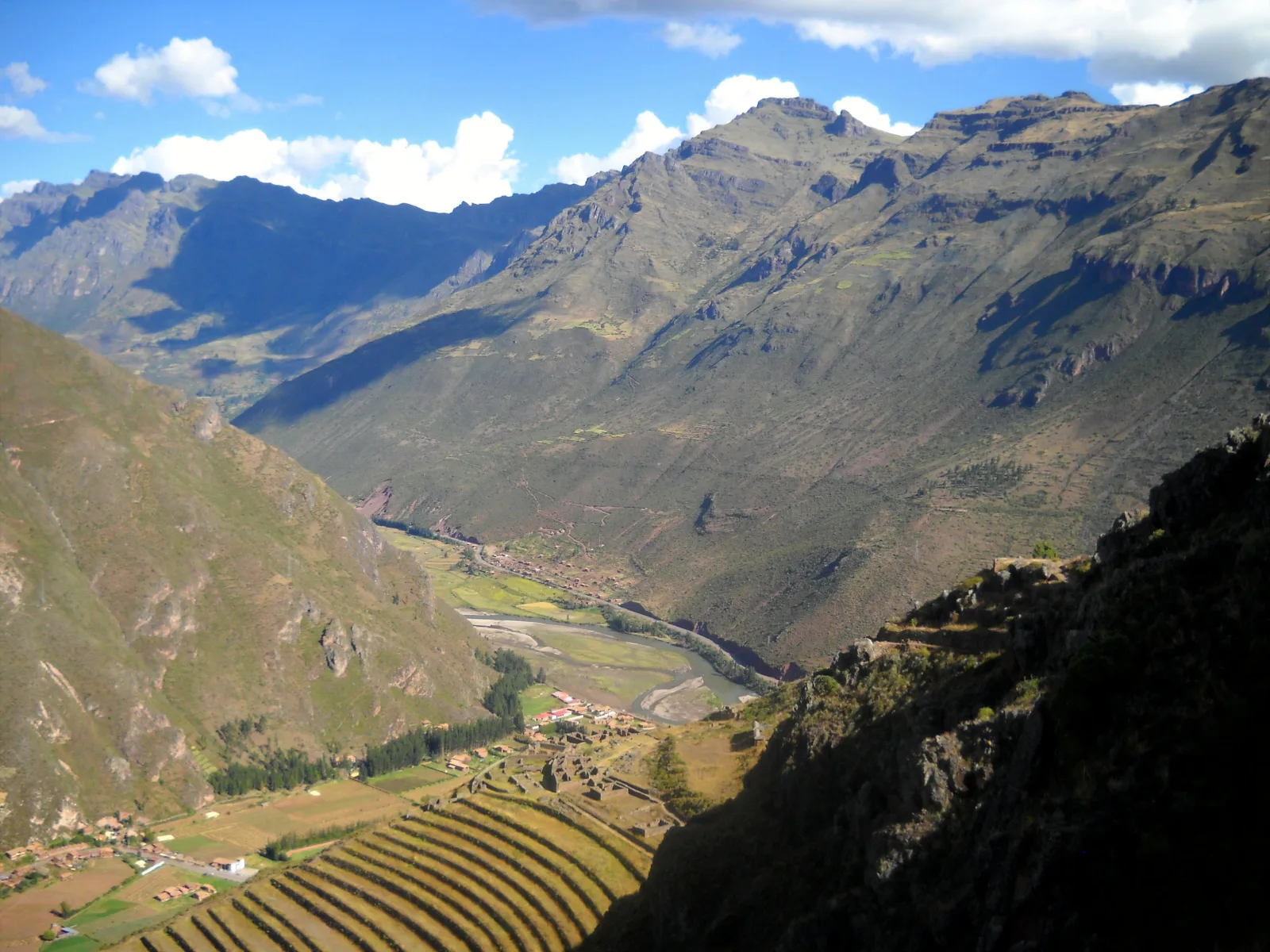
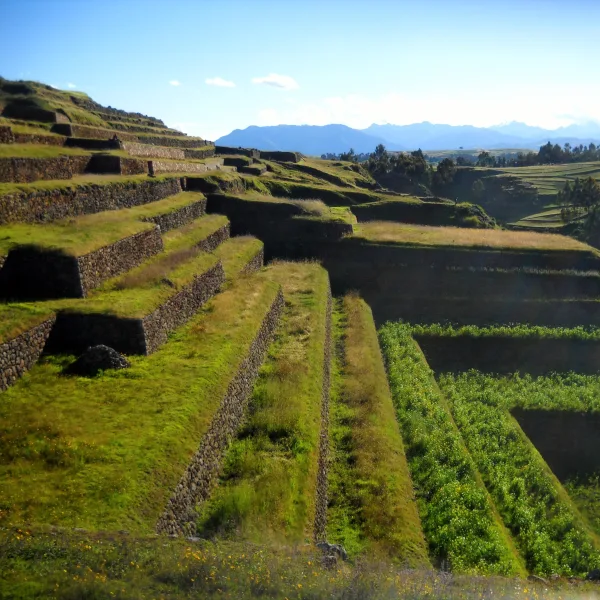
Green valleys, snowcapped peaks, and stone terraces that seem to hang from the mountains.
The Sacred Valley is more than a backdrop to Cusco and Machu Picchu. Carved by the Urubamba River, it formed the heartland of Inca power where rulers built estates, terraced fields, and ceremonial centers that bound empire to earth and sky. Its fertile plains and sacred peaks gave rise to a network of settlements that still anchor Andean life today.
Traveling through the valley offers a passage into the world the Inca once ruled. The ruins scattered across its ridges and plains reveal a civilization that fused engineering with ritual purpose. Each site invites exploration, from terraced strongholds to ceremonial waterworks, and together they tell the story of a culture that transformed the Andes.
| Fact | Details |
| Location | Stretch of the Urubamba River between Cusco and Machu Picchu, Peru |
| Major Sites | Pisac, Ollantaytambo, Moray, Chinchero, Machu Picchu, Tipón |
| Civilization | Inca Empire (1200s–1500s CE), building upon earlier cultures including Wari and Killke |
| Entry Ticket | Most sites require the Boleto Turístico del Cusco (multi-day pass). Machu Picchu and Maras Saltworks require separate tickets. |
| Best Season to Visit | Dry season (May–September) for clear skies; wet season (November–March) for green landscapes and fewer crowds |
| Base Towns | Cusco (gateway city), Ollantaytambo (closer to Machu Picchu), Urubamba (central valley hub) |
| Transport | Accessible by bus, combi, taxi, private driver, or organized tours. Train from Ollantaytambo connects to Machu Picchu. |
| Highlights | Terraces of Pisac, fortress of Ollantaytambo, circular depressions of Moray, colonial church at Chinchero, canals of Tipón, citadel of Machu Picchu |
Why Visit the Sacred Valley
The ruins are reason enough, but they are also an excuse to experience more.
Climbing terraces means standing on mountain slopes with sweeping valley views. Following Inca canals leads through villages where traditional weaving and farming still thrive. Exploring fortress walls opens paths to markets, trails, and festivals that link past to present.
The Sacred Valley is not just about checking off ruins. It is a landscape where history, culture, and daily life meet, with every site linking the Inca past to the living Andes.
Easily reached from Cusco, the valley can be seen in a few days, yet rewards those who spend weeks exploring its villages, markets, and hidden corners.
Plan your visit: jump to the individual Sacred Valley site guides for Pisac, Ollantaytambo, Moray, Chinchero, Machu Picchu, and Tipón for site access, maps, and tips. Visit the Inca civilization overview to place the Sacred Valley in the wider story of the ancient Americas.
Early Peoples of the Sacred Valley
Long before the Inca made the Sacred Valley their royal heartland, its ridges and riverbanks were home to earlier Andean cultures. The fertile corridor carved by the Urubamba River attracted settlers for thousands of years, with evidence of farming, herding, and small villages dating back to the first millennium BCE. Maize, potatoes, and quinoa were cultivated on simple terraces, while camelid herds provided wool and transport across the highlands.
By the Early Intermediate Period (200–600 CE), the valley was influenced by regional powers such as the Wari Empire, which extended from Ayacucho into Cusco and its surrounding valleys. Wari administrators introduced more formalized terrace systems and built roads that linked the valley to highland trade routes. Archaeological remains near Pisac and Chinchero suggest organized settlements during this time, tied to Wari influence but adapted to local traditions.
After the decline of Wari around 1000 CE, the Sacred Valley became a patchwork of independent chiefdoms. Groups such as the Killke and Pinagua held control of strategic hilltops and fertile plains, leaving traces of fortifications and agricultural terraces. These groups competed for land and water, but also maintained ritual ties to the mountains and springs that framed the valley. Their shrines and sacred stones predate Inca rule, reflecting long-standing traditions of honoring the natural world.
When the Incas rose from Cusco in the 1200s, they inherited a valley already layered with history. Its landscapes had been shaped by centuries of farming, its communities practiced local ritual, and its hilltops bristled with fortifications. The Inca conquest did not create the Sacred Valley from nothing; it transformed an already vital region into the ceremonial and political core of an empire.


The Sacred Valley of the Inca Empire
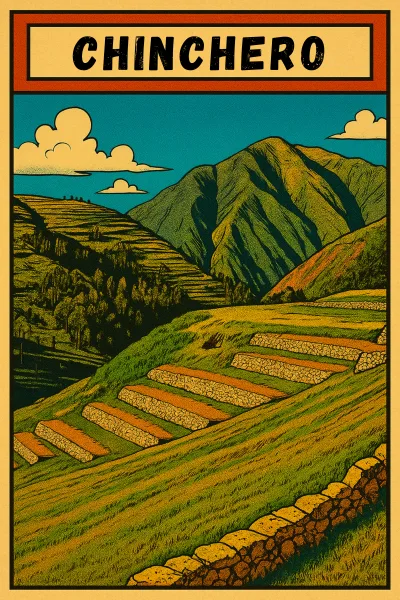
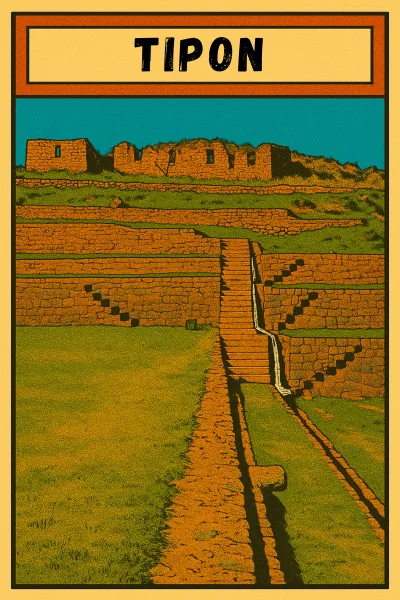
Inca emperors established royal estates across the valley, each designed as both a productive farm and a ceremonial retreat. Pisac, Ollantaytambo, Chinchero, and Tipón became centers of innovation in terracing, irrigation, and stone construction. Moray, served as an agricultural testing ground where seeds for the empire’s vast territories could be adapted to different climates. Machu Picchu, rising at the valley’s edge, embodied the blend of political authority and sacred landscape that defined Inca statecraft. These estates were not simply residences, but living demonstrations of the empire’s wealth and its ability to reshape nature in harmony with ritual purpose.
The Sacred Valley was also a stage for imperial control. Roads and suspension bridges linked its settlements to Cusco and beyond, creating arteries that moved armies, tribute, and messages across the Andes. Military garrisons secured strategic passes and river crossings, ensuring that no rival chiefdom could threaten the empire’s core. Agricultural production in the valley supported Cusco’s population and fed imperial festivals, while its shrines were tied to the broader religious calendar of the empire. At Ollantaytambo, massive terraces and fortress walls demonstrated both agricultural prowess and defensive strength, a reminder that control of the valley was essential to control of the empire.
The valley also served as a theater for ceremony and power. Sacred peaks, known as apus, were honored with offerings, while springs and rivers were integrated into canals that doubled as ritual spaces. Imperial estates hosted seasonal rituals that bound local communities into the larger religious system of the state. The integration of farming, architecture, and worship in the Sacred Valley reflected the Inca vision of order, where landscape and empire reinforced one another.

When the Spanish arrived in the 1530s, the Sacred Valley became one of the last strongholds of Inca resistance. Ollantaytambo was the site of a rare Inca victory against conquistadors, when Manco Inca Yupanqui and his forces used the fortress terraces and irrigation canals to repel an assault in 1536. Even after Cusco fell, the valley remained a lifeline to Vilcabamba, the refuge of the final Inca rulers who continued resistance for decades. The transformation brought by conquest reshaped the valley once again, layering colonial churches, towns, and haciendas onto Inca foundations. Yet despite these changes, its role as the heart of Andean identity endured, with many communities preserving languages, traditions, and rituals that connect the present to the ancient landscape.
How to Enjoy the Sacred Valley
Boleto Turístico del Cusco
“The Golden Ticket”
Entry to most sites in the Sacred Valley is covered by the Boleto Turístico del Cusco, a multi-day ticket sold in Cusco and at major ruins. Options include a full pass valid for 10 days, covering both the Sacred Valley and sites around Cusco, or shorter circuit tickets focused on specific areas. The pass does not include Machu Picchu or the Maras saltworks, which require separate entry fees.
Market Days in the Sacred Valley
Markets have always been at the heart of valley life. For travelers, they offer a way to see the Sacred Valley in motion. Stalls fill with produce from the terraces, textiles are woven with traditional designs, and plazas crowd on fair days. Visiting a market adds living culture to the ruins, showing how Andean traditions continue alongside the stone walls.
- Pisac – Largest and most famous market, especially lively on Sundays with textiles, produce, and crafts.
- Chinchero – Sunday market known for traditional weaving and high-quality textiles.
- Urubamba – Local market at its best on Wednesdays, with produce and everyday goods.
- Ollantaytambo – Smaller daily market near the plaza, often visited alongside the ruins.
Things to Do in the Sacred Valley
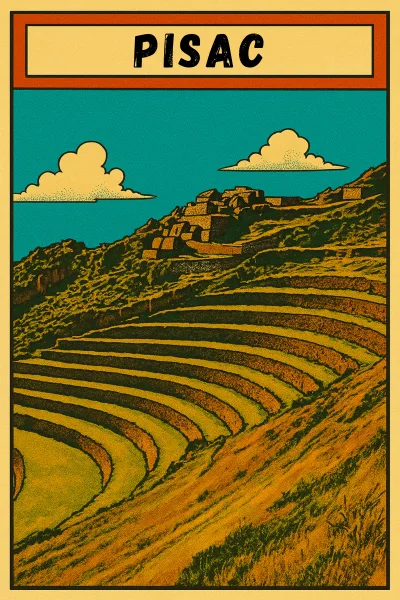
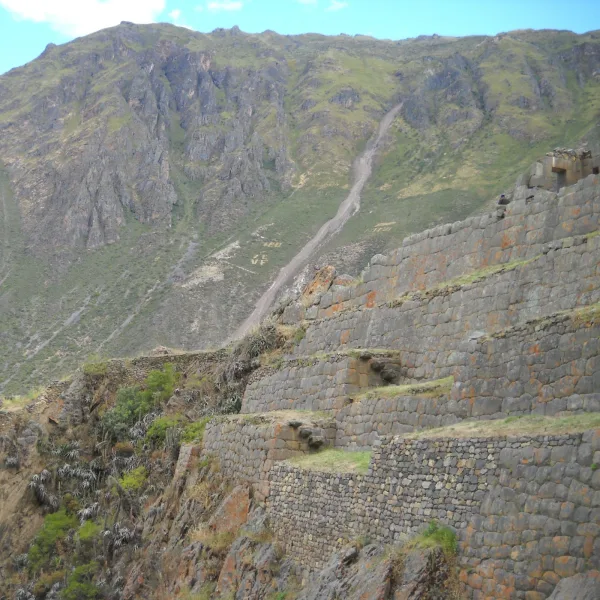
- Climb (Down!) the Terraces of Pisac
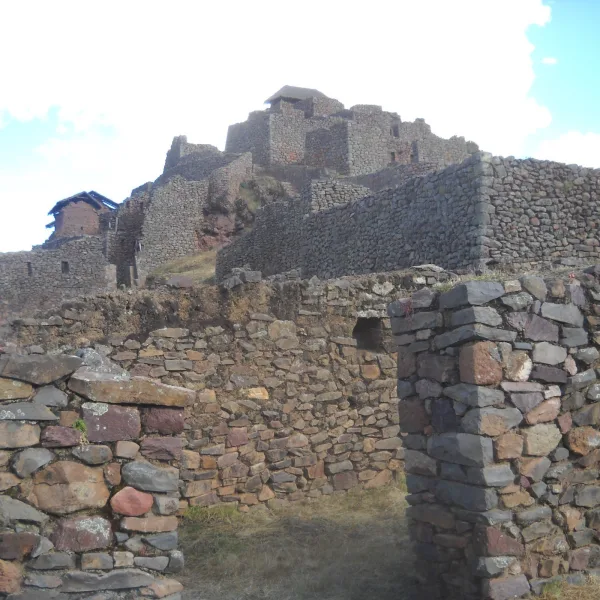
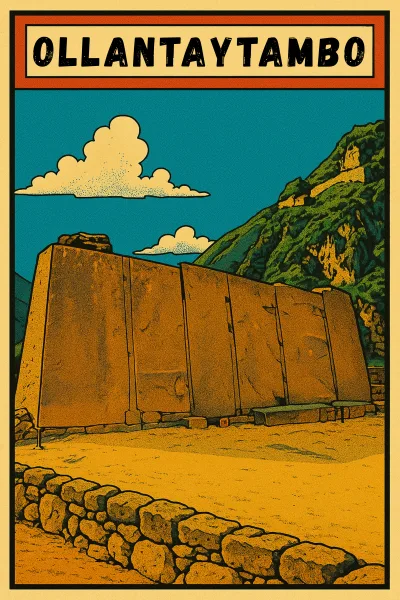
Walk the sweeping stone terraces that climb the mountain slopes above Pisac and take in views of the valley below - Explore the Fortress of Ollantaytambo
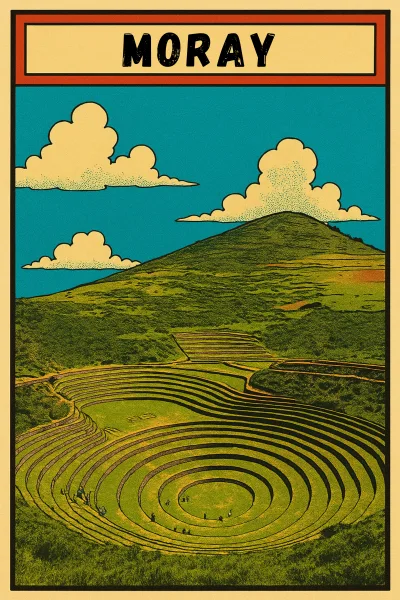
Stand among massive stone walls that once guarded the empire and see the precision of Inca engineering up close - Get Dizzy at Moray’s Circular Terraces
Experience the unique design of concentric depressions that may have served as an agricultural laboratory for adapting crops to different climates. - Trace the Water Channels of Tipón
Follow the still-flowing stone canals and ceremonial fountains that reveal Inca mastery of hydraulics and ritual water use. - See Machu Picchu from the Sun Gate
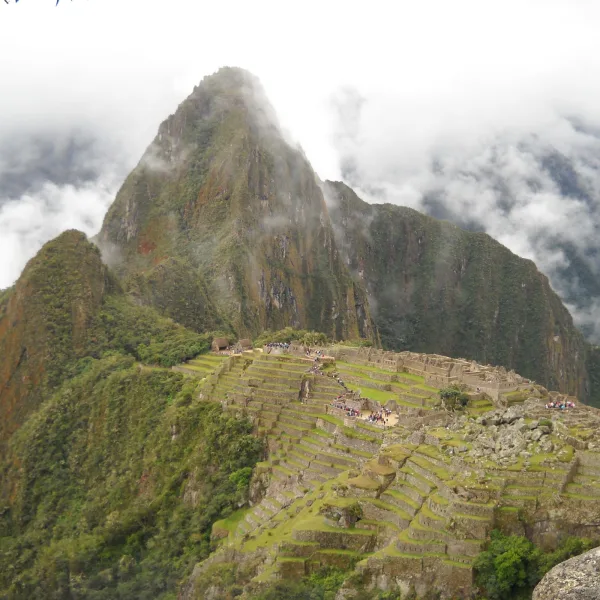
Arrive at the iconic viewpoint above the citadel and understand why this city in the clouds became the enduring symbol of the Inca world.

Museums to Visit Along the Way
Museums in the Sacred Valley are small but meaningful. They give travelers context for the ruins and serve as cultural anchors for the towns that host them. From dioramas at Inkariy to weaving exhibits in Chinchero, each museum connects local history to the wider story of the Andes, while supporting the communities that keep these traditions alive. Beyond the main sites, travelers will also come across small community displays and local museos tied to weaving cooperatives, colonial estates, and town cultural centers.
- Museo de Sitio de Chinchero -Small site museum with ceramics, textiles, and artifacts uncovered locally, giving context to the terraces and colonial church above.
- Museo Inkariy (Calca/Urubamba) – The largest museum in the valley, with life-size dioramas and exhibits covering Peru’s major cultures, including a strong Inca section.
- Museo de Sitio de Machu Picchu (Aguas Calientes) – Also called the Manuel Chávez Ballón Museum, it presents artifacts from the citadel and explains its construction and ceremonial
Peruvian Dishes to Try
Food in the Sacred Valley is hearty and rooted in the land. Local dishes draw on maize, potatoes, and river fish, blending Inca traditions with classic Peruvian flavors every traveler should try.
- Lomo Saltado – Stir-fried beef with onions, tomatoes, and potatoes, a classic Peruvian favorite.
- Pollo a la Brasa – Peruvian rotisserie chicken, marinated with spices and cooked over charcoal.
- Trucha (Trout) – Fresh from Andean rivers, usually grilled or fried and served with local sides.
- Cuy (Guinea Pig) – A traditional highland dish, often roasted whole for special occasions.
- Choclo con Queso – Large-kernel corn served simply with fresh cheese, a Sacred Valley staple.
Don’t Forget the Fresh Jugos
One of the best ways to experience daily life in the Sacred Valley is through its juice stalls. Nearly every town market has a jugos naturales section, where señoras prepare fresh fruit juices in tall glasses right in front of you. It is a simple ritual, but also a window into local flavors and the rhythms of the valley.
Popular choices include maracuyá (passionfruit), piña (pineapple), papaya, and mixes like naranja con zanahoria (orange with carrot). Each glass is generous, affordable, and served with a smile. Stopping for a jugo is more than refreshment. It is a way to explore the markets and connect with the Sacred Valley’s living traditions.

How to Visit the Sacred Valley
Smart logistics for Pisac, Ollantaytambo, Moray, Chinchero, Machu Picchu, and Tipón.
Most travelers begin their journey into the Sacred Valley from Cusco, where buses, combis (colectivos), and organized tours connect to the valley’s main towns and ruins. The road from Cusco descends through Pisac and continues westward to Urubamba and Ollantaytambo, following the Urubamba River. This route allows visitors to see several major sites in a single day, though each can also be visited at a slower pace.
Day trips from Cusco commonly focus on Pisac and its markets, or loop through Chinchero, Moray, and the Maras saltworks before returning. Overnight stays in Ollantaytambo or Urubamba give more time to explore and provide easier access to Machu Picchu by train. To the southeast, Tipón can be reached by bus or taxi from Cusco, often combined with the Southern Valley circuit.
Transport is flexible, ranging from budget combis that run between towns to private drivers who can cover multiple sites in one day. Organized tours offer efficiency, but independent travel allows for more time at each ruin. Accommodation is available throughout the valley, from small hostels in Pisac to boutique lodges near Urubamba.
Visiting the Sacred Valley is less about seeing a single destination than experiencing a chain of ruins, villages, and landscapes. Whether approached in one long circuit or through multiple smaller trips, the valley rewards those who pause to connect its sites into a larger story of Inca history and Andean tradition.