
Sipán
PERU / LAMBAYEQUE / MOCHE
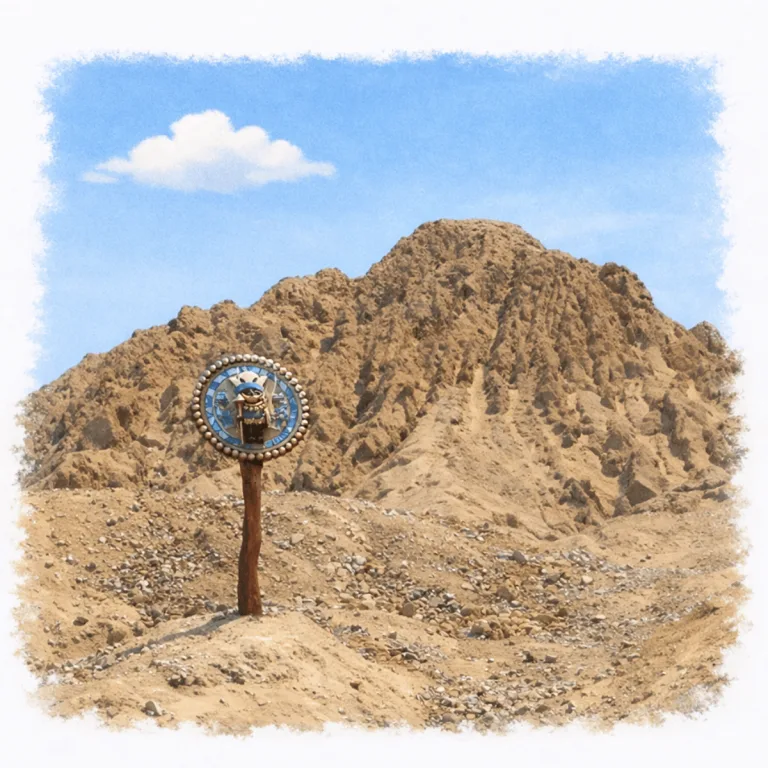
Amid low adobe pyramids on Peru’s northern coastal plain, Sipán centers on elite funerary chambers, where richly adorned Moche rulers were interred with gold, turquoise, and sacrificial attendants.
| Name | Sipán (Huaca Rajada) |
| Civilization | Moche |
| Location | Zaña District, Chiclayo Province, Lambayeque, Peru |
| Elevation | 99 m (325 ft) above sea level |
| Years Active | 100 to 800 CE, with later Lambayeque-period reuse |
| Primary Resources | Adobe, gold, silver, copper, ceramics, marine shell |
| Site Type | Royal funerary and ceremonial complex |
| Key Highlights | Lord of Sipán burial platform, Huaca Rajada pyramids, reconstructed royal tombs, site museum |
| INT Airport | Capitán FAP José A. Quiñones Gonzales International Airport (CIX), Chiclayo |
| Entry Fee | S/8 general admission |
| Best Time to Visit | Dry season (May–October) |
| Field Visit | Visited & photographed by Lost Ruins of the Americas |
Unique Features of the Sipán Archaeological Site
- Royal Tomb: The burial of the Lord of Sipán, found intact with jewels, emblems of power, and full ceremonial regalia.
- Adobe Staking: Long rows of vertically laid adobe bricks, preserved by the desert climate and unlike stone-heavy Andean sites.
- Contrasting Landscape: Juxtaposition of dry desert with lush irrigated fields. A rare environmental mix in ancient Peru.
- On-Site Reconstruction: A faithful replica of the tomb lets visitors see what archaeologists found, in context and at scale.
Location & Access
- Nearest Town: Sipán, Zaña District. Chiclayo is the main visitor base.
- Directions: Chiclayo, travel east through Pomalca and Saltur toward Sipán, then continue along the Sipán-Pampa Grande road to Huaca Rajada. Allow 45 to 60 minutes by car.
- Official Website: Ministry of Culture Museo de Sitio Huaca Rajada-Sipán.
- Opening Hours: 9:00 AM – 5:00 PM
- Entry Fees: S/8 general; S/3 higher-education students; S/1.50 minors; S/4 for eligible reduced admission.
- Facilities: Site museum, parking, restrooms, interpretive exhibits, and access to the funerary platform.
- Accessibility: Strong within the museum, with ramped entry, wheelchair circulation, accessible restrooms, Braille signage, and reserved parking. Outdoor archaeological paths are uneven and less accessible.
- Pro Tip: Negotiate a day-rate with a local mototaxi and visit nearby ruins like Túcume and Batán Grande while you’re in the area.

Highlights to Help Understand Your Visit
Sipán is less a single pyramid than a sacred complex of burials, platforms, and layers of elite power. To truly see it, focus on the clues left in its construction and offerings:
- A Pyramid Built to Hide: Unlike stone monuments, Sipán’s adobe mound blends into the landscape. Its preservation is accidental. It was built to last, not to dazzle.
- Gold as Message: The famous tombs weren’t just treasure troves. They were political theater. Every ornament and layer speaks to rank, myth, and power.
- Layers of the Dead: Each tomb was sealed, then another was built atop it. This recursive burial style reflects a hierarchy that endured through generations.
- Guardians in the Dirt: Accompanying skeletons, some sacrificed, remind you this was a site of power, not peace. Every elite was surrounded by loyalty, forced or chosen.
- The Empty Earth: Much of Sipán is still unexcavated or lost. What you see is a fraction of what was. And a warning about how quickly history can vanish
Key Structures of the Sipán Ruins
- Huaca Rajada Tomb Platform: Low-rise adobe mound built in layers, containing the primary burial of the Lord of Sipán and accompanying sacrificial figures.
- Principal Burial Chamber: The main tomb, complete with gold and copper regalia, ceremonial backflaps, nose ornaments, and a guardian warrior placed at the door.
- Secondary Tombs: Nearby burials of other elites, possibly priests or nobles, unearthed in later digs. Some with similar regalia in silver.
- Adobe Brick Rows: Characteristic vertical adobe stacking technique that stabilized the mound and helped archaeologists date construction phases.
- On-site Museum: Displays contextual artifacts, ceramic figurines, burial reconstructions, and photographs from the 1987–2000 excavations.
- Replica Tomb Display: Life-size reconstruction of the Lord of Sipán’s burial, with exact placements of offerings and skeletal positions for educational viewing.
- Raised Viewing Platforms: Walkways that allow panoramic observation of the excavation pit. These protect the site while offering perspective on tomb depth.
- Perimeter Burial Trenches: Defensive and symbolic trenches dug around tombs. Possibly for ritual isolation or boundary demarcation.

History and Legends
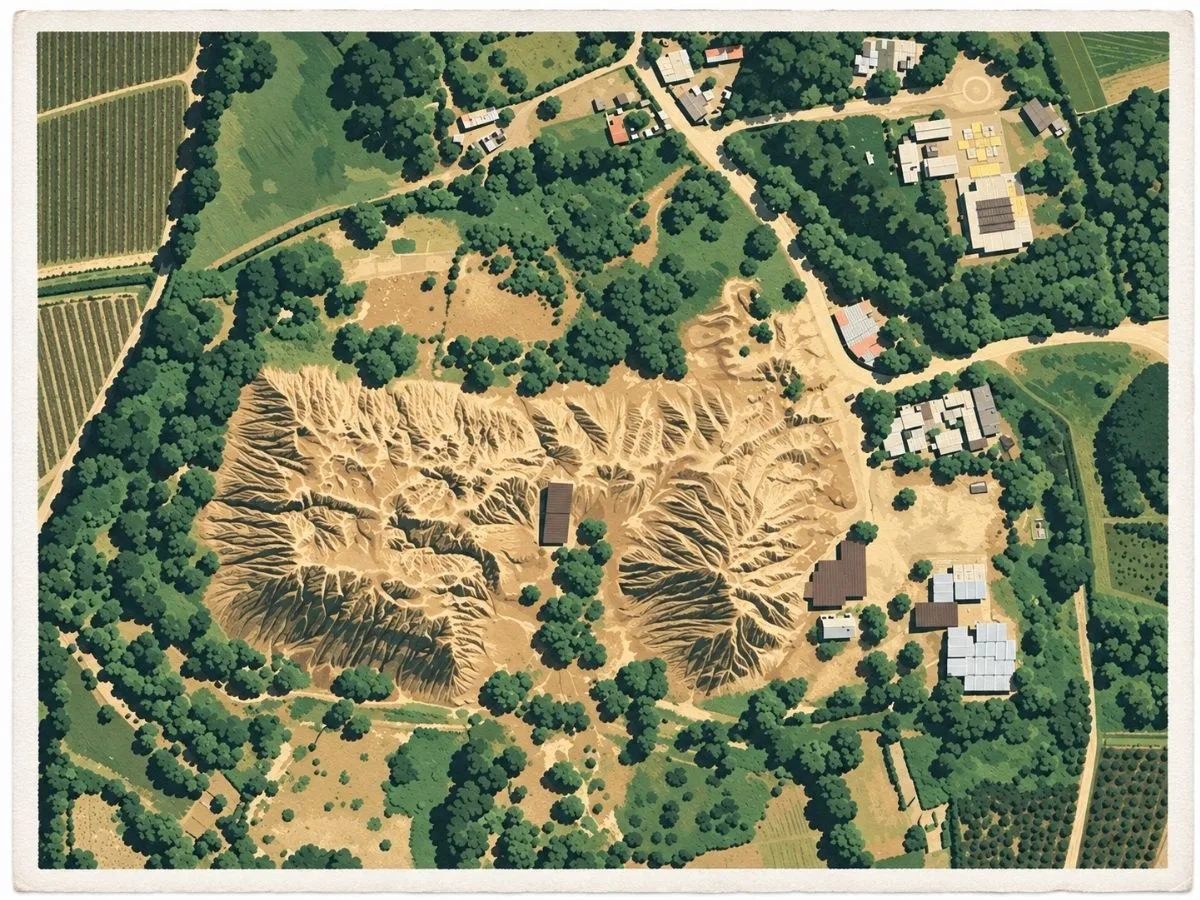
Sipán developed in the Lambayeque Valley during the early centuries AD, when Moche rulers were building large adobe centers across Peru’s north coast. At Huaca Rajada, two massive adobe pyramids rose beside a lower funerary platform. That smaller platform became the burial place of powerful men and women associated with the Moche elite. Builders repeatedly resurfaced and enlarged it, sealing earlier graves beneath new floors as the complex remained in use across generations.
The burials show that Sipán’s ruling history reaches farther back than the tomb that made the site famous. Tomb 15, the Noble Warrior, is the earliest individual yet discovered at Sipán, while the Old Lord of Sipán was buried in another early level of the platform with elaborate ornaments of gold, silver, copper, shell, and turquoise. Other tombs held warriors, priests, nobles, attendants, and sacrificial victims. Each burial became part of the growing monument, so the funerary platform accumulated a long sequence of elite graves beneath its adobe floors.
Around the 3rd century AD, probably close to AD 260, the man now known as the Lord of Sipán was buried in Tomb 1. His wooden coffin stood inside an elaborate chamber surrounded by attendants, animals, ceramic offerings, and some of the finest metalwork known from the Moche world. Gold and silver ornaments, earspools, necklaces, headdresses, ceremonial weapons, and emblems of office covered the body. Several objects were arranged in paired gold and silver versions, with gold placed to his right and silver to his left. His regalia also closely resembles the clothing and objects carried by elite figures in Moche painted ceramics, connecting the scenes on those vessels with an actual ruler buried at Huaca Rajada.
The Moche eventually stopped using the funerary platform, but Huaca Rajada did not disappear from the occupied landscape. Evidence from later Sicán, Chimú, and Inca periods has been found around the monumental area, including later burials and domestic activity. By then the two great pyramids and the funerary platform were already ancient structures, reused and lived around by people who came centuries after the rulers buried inside them.
The tombs survived largely undisturbed until 1987, when looters broke into one of the elite burials and began removing metal objects. Walter Alva, Susana Meneses, and Luis Chero Zurita began emergency excavations, and on July 20, 1987, they reached the intact tomb of the Lord of Sipán. Continued work eventually documented 16 Moche elite tombs at the site. A new excavation program beginning in 2007 uncovered the Priest-Warrior in Tomb 14, the Noble Warrior in Tomb 15, and the Lord-Warrior in Tomb 16. Those finds pushed the known history of the funerary platform farther back and showed that the famous Tomb 1 belonged to a much longer sequence of Moche rulers, warriors, priests, and nobles buried beside the pyramids of Huaca Rajada.
Experiences Around Sipán
Sipán lies in the irrigated Lambayeque Valley, where cane fields spread between dry coastal hills.
Step inside Zaña’s Museo Afroperuano to see old sugar-cane carts, musical instruments, photographs, and objects tracing Afro-Peruvian life on the north coast.
Browse Chiclayo’s Mercado Modelo for bundles of medicinal herbs, roots, perfumes, amulets, and ritual supplies used in northern Peru’s curandero traditions.
How to Get There & Where to Go Next
How to Visit Sipán
– Step-by-step access to the site –
- Fly from Lima to Chiclayo – Direct flights run daily (1 hr 30 min).
- Bus or taxi to Museo Tumbas Reales – 15–20 min from city center.
- Hire mototaxi from museum – Negotiate round-trip to Huaca Rajada–Sipán (30 min).
- Walk from site entrance – A short path leads to the reconstructed tomb and main mound (5 min).
Tip: Most travelers combine Sipán with nearby Túcume and Batán Grande. Bring sun protection and water. The adobe site is exposed and can get extremely hot.
Nearby Ruins You Can Visit
The Lambayeque Valley holds more than Sipán. These sites reveal the depth of Moche innovation and the layers of culture that followed.

Ingapirca – An Inca-Cañari ruin in the Ecuadorian Andes, with a solar temple, elevated setting, and layered ceremonial history.


Batán Grande – A massive late-Moche center with signs of collapse, fire, and mystery beneath the surface.
Traveler Tips
- Arrive early before sun exposure increases, there’s little natural shade.
- Pair your visit with the Museo Tumbas Reales de Sipán to see the artifacts.
- Negotiate mototaxi prices up front and confirm the full route if doing a day tour.
- Bring water and snacks, limited vendors near the site.
- Photography allowed, but flash discouraged in museum exhibits.
Elsewhere in the Americas…
While the Moche lords of Sipán ruled Peru’s northern coast, powerful centers were rising across Mesoamerica and North America’s valleys:

Teotihuacan reached its height in central Mexico, with its monumental pyramids, compounds, and far-reaching trade influence.

In Oaxaca, the Zapotecs at Monte Albán continued carving elite tombs and expanding hilltop rule across the valleys.
In North America, the Mississippian center of Cahokia developed large earthen mounds and ceremonial plazas tied to regional authority.
Insider Explorer Advice
Chiclayo is the ideal base for exploring Sipán. A working city with easy transit to the region’s ruins. From the Museo Tumbas Reales de Sipán, grab a mototaxi and negotiate a full-day plan with a driver who knows the backroads. With the right person, you’ll wind through cane fields and desert paths to reach not just Sipán, but Túcume, Batán Grande, and more. Many of these places see few visitors. Bring supplies for two. Sharing the day, the road, and a meal turns the journey into something more than a ride. This route isn’t a tour. It’s a direct path into the bones of old Peru.
Summary: Sipán is where gold met dust and memory. A royal Moche tomb under adobe skies, flanked by silence and the ghosts of a powerful past.