
Yucca House
USA / COLORADO / ANCESTRAL PUEBLOAN
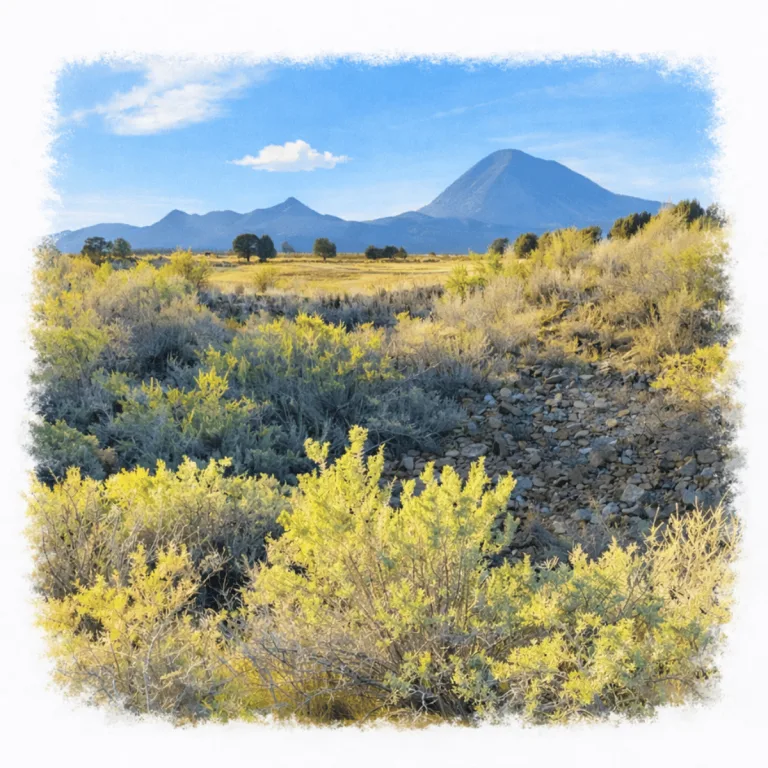
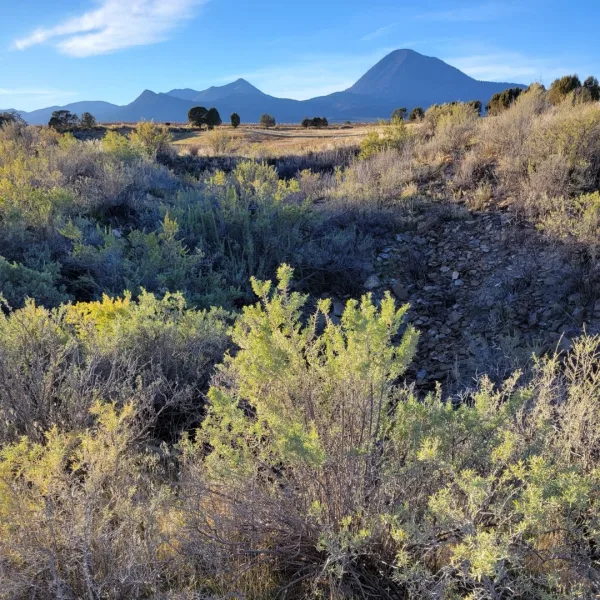
In the Montezuma Valley below Sleeping Ute Mountain, Yucca House holds low walls and buried kivas across an unusually untouched Ancestral Pueblo landscape.
| Name | Yucca House |
| Civilization | Ancestral Puebloan |
| Location | Near Cortez, Colorado |
| Elevation | 5,800 ft (1,768 m) above sea level |
| Years Active | c. 900 to 1300 CE |
| Primary Resources | Sandstone masonry, agriculture, valley irrigation |
| Site Type | Large village complex, largely unexcavated |
| Key Highlights | Unrestored ruins, buried kivas, open access landscape, valley views |
| Entry Fee | No fee |
| Best Time to Visit | Spring and fall |
| Field Visit | Visited & photographed by Lost Ruins of the Americas |
Unique Features of the Yucca House Archaeological Site
- Largely Unexcavated: One of the few major Ancestral Puebloan villages left mostly untouched.
- Minimal Restoration: Very little rebuilding, leaving the site close to its natural state.
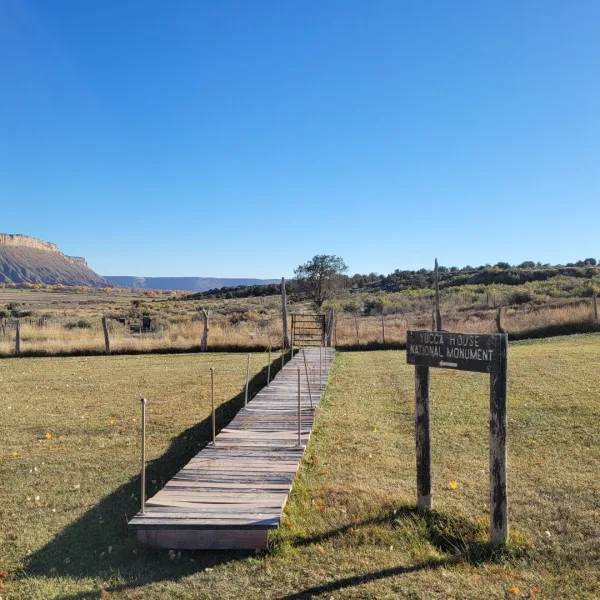
- Open Walking Access: No fixed loop trail, visitors can cross the settlement footprint freely.
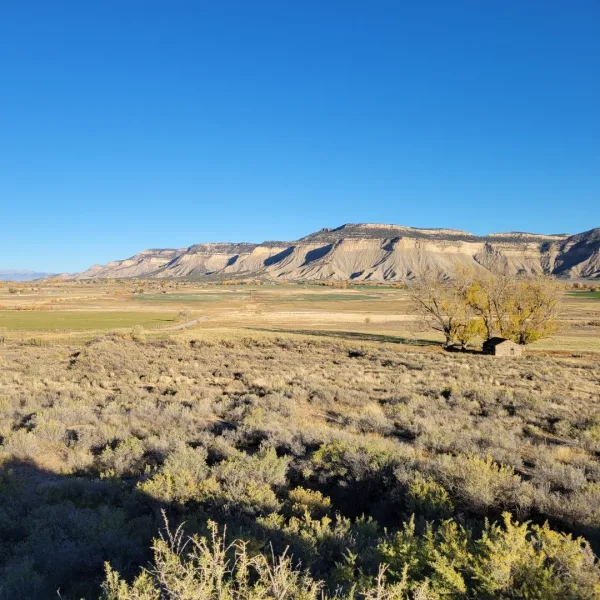
- Agricultural Valley Setting: Set within Montezuma Valley farmland, tied to fields and water access.
- Ute Mountain Views: Wide sightlines anchor the site within a larger cultural landscape.
Location & Access
- Nearest Town: Cortez, Colorado
- Directions: Reached via farm roads west of Cortez. Follow National Park Service signs for Yucca House, then continue to the parking area near the site entrance.
- Parking: Small pullout near private residences and agricultural land
- Opening Hours: Day use only
- Entry Fees: None
- Facilities: No restrooms, water, or visitor center on site
- Accessibility: Uneven ground and tall grasses. Not wheelchair accessible
- Gate Etiquette: Close all gates as you enter and exit
- Pro Tip: The site sits close to a modern home. Do not hesitate to enter through the proper access points. Stay respectful and remain within the monument boundaries.
Highlights to Help Understand Your Visit
Yucca House is a site that teaches visitors how to read what is still buried.
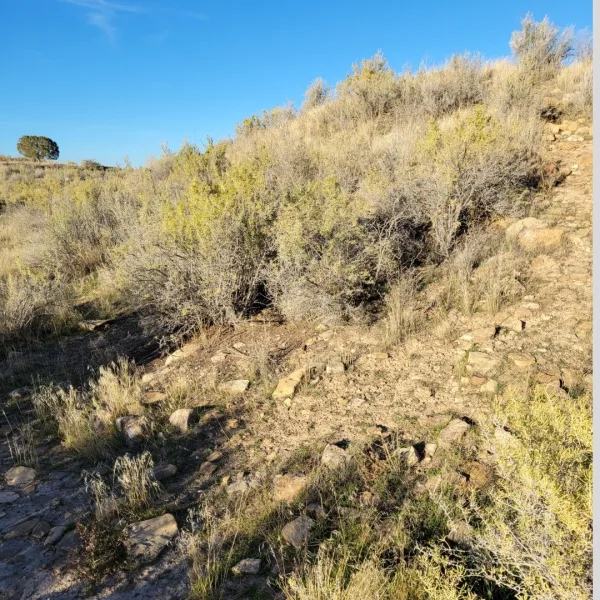
- Architecture as topography: Low mounds and shallow dips are often the “walls” and rooms. The layout is present, just flattened into the ground.
- Depressions as clues: Round or bowl-like hollows can mark kivas and roofed spaces. Repeated shapes in the same area usually signal planned construction, not random erosion.
- Stone scatter is a footprint: Small clusters of worked sandstone can indicate buried masonry and room blocks. Density and pattern matter more than any single rock.
- A farming community, not a show site: The setting favors fields, water access, and daily movement. That context helps explain why the ruins feel quiet compared to cliff dwellings.
- Landmarks still frame the place: Distant features like Ute Mountain help orient the landscape. The view reminds visitors that Yucca House belonged to a wider world of nearby communities and travel routes.
Key Structures of the Yucca House Ruins
- West Complex: The main village footprint, a broad field of low mounds and shallow depressions that marks where most rooms and kivas still lie buried.
- Upper House: The highest and most obvious mound on site. It stands out as the easiest place to visualize the scale of the community center.
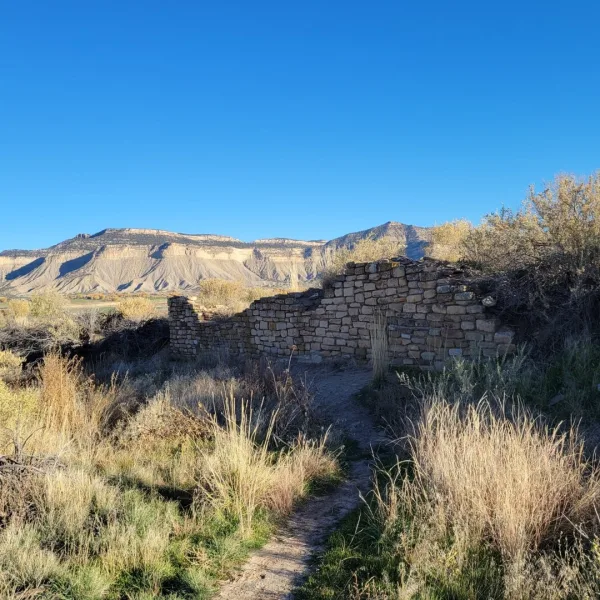
- Lower House: The most readable architectural area for visitors, with the clearest wall lines and the most visible masonry near the main walking route.
- Plaza Wall (Lower House): A low enclosure line that helps visitors understand how space was organized. It frames a central gathering area where a great kiva is understood to have been located beneath the surface.
- Stabilized Wall Section: A short repaired stretch of masonry used to show how Yucca House walls were built. It is the closest thing on site to an above-ground construction reference point.
History and Legends
Yucca House is one of the largest Ancestral Puebloan village sites in the Montezuma Valley, but it does not look like a classic ruin park. Most of the settlement remains buried. The village survives as a wide footprint of low mounds, shallow depressions, and scattered stone across open ground. That quiet surface is the point. It preserves the true scale of a farming community that once filled this valley floor with homes, kivas, and work spaces.
The site was set aside as Yucca House National Monument in 1919, and it was protected early compared to many ruins in the region. While other Puebloan villages were excavated and rebuilt into standing walls, Yucca House was left largely as it was found. For visitors, that creates a rare experience. Instead of walking through reconstructed rooms, they are reading the shape of a village still fused to its landscape.
Archaeological work and mapping describe a community center with hundreds of rooms and well over a hundred kivas, with the densest construction in the West Complex. A spring running through the heart of the site helps explain why a settlement of this size could anchor here. Water, fields, and ceremony were not separate parts of life. They were built together, and the layout still reflects that logic even when most walls remain underground.
Experiences Around Yucca House
The ruins are only part of the story. Irrigated fields and sagebrush spread across the Montezuma Valley, with Sleeping Ute Mountain rising to the west.
–
The Montezuma Heritage Museum in Cortez traces the valley’s recent history through farming, irrigation, Native communities, and the people who settled the region.
–
Farther southwest, float the San Juan River from Sand Island near Bluff, where the river winds beneath sandstone cliffs and cottonwood-lined banks with stretches of easy whitewater.
The Lower House area offers the clearest above-ground reference. Low wall lines and small stretches of visible masonry show how rooms were built and how space was organized. A plaza enclosure and Great Kiva are understood to sit within this part of the site, even though much remains unexposed. Yucca House grew in phases, with new rooms and kivas added over time as the community expanded and reshaped itself.
By the late thirteenth century, the people of Yucca House joined the broader regional movements that carried Puebloan communities away from parts of the Four Corners. The village was gradually abandoned. What remains is not a rebuilt monument, but a preserved settlement footprint. For many visitors, that makes Yucca House feel less like a showcase and more like a real place, still resting in the land that once sustained it.
How to Get There & Where to Go Next
How to Visit Yucca House
– Step-by-step access to the site –
- From Las Vegas About 7 to 8 hours by car to Cortez, Colorado.
- Gateway town Use Cortez for fuel, water, and supplies before the last dirt-road approach.
- Final stretch About 30 to 40 minutes from Cortez, with a short dirt-road segment to the small parking area.
- On site Easy walk across open ground, with the Lower House masonry as the clearest reference point.
Tips: Roads can be slick after rain or snow. There is no water, shade, or restrooms, so arrive prepared.
Nearby Ruins You Can Visit
Yucca House is best understood alongside other Ancestral Puebloan places where kivas, towers, and exposed walls reveal what is mostly buried here.

Five Kiva Pueblo – A compact alcove village centered on five ceremonial kivas in the canyonlands of the Four Corners.

Mesa Verde – Towering cliff dwellings and painted kivas that illustrate the architectural evolution and enduring spirituality of Ancestral Puebloan life.

Lowry Pueblo – A compact village with an excavated Great Kiva, making community scale and ceremonial space easy to visualize.
Traveler Tips
- Wear long pants, grasses and uneven ground are common.
- Bring water and sun protection.
- Watch for subtle kiva depressions underfoot.
- Respect private property near the site.
- Always close gates behind you.
Elsewhere in the Americas…
As Yucca House grew in the Montezuma Valley, other societies across the Americas were also building, shifting, and entering new phases of power.
In Mexico, Chichén Itzá flourished as a major Maya city where pyramids and observatories aligned with celestial cycles.


Kuélap rose high above the cloud forest of Peru as a walled Chachapoya stronghold of stone and mountain power.
Insider Explorer Advice
Yucca House is best understood by slowing down and letting the ground speak for itself. With so little reconstruction, the experience comes from reading the land rather than walls. Low rises, shallow depressions, and subtle alignments reveal the scale of the village once your eyes adjust. The approach through farm roads and past a modern home may feel unexpected, but once inside the monument the valley opens wide and the setting makes sense. Walk carefully, close every gate behind you, and leave only footprints in the soil. The site remains powerful precisely because it has been left alone.
Summary: Yucca House offers a rare, unfiltered look at a large Ancestral Puebloan village. With minimal restoration and wide open space, it invites visitors to experience the landscape much as it was left centuries ago.